
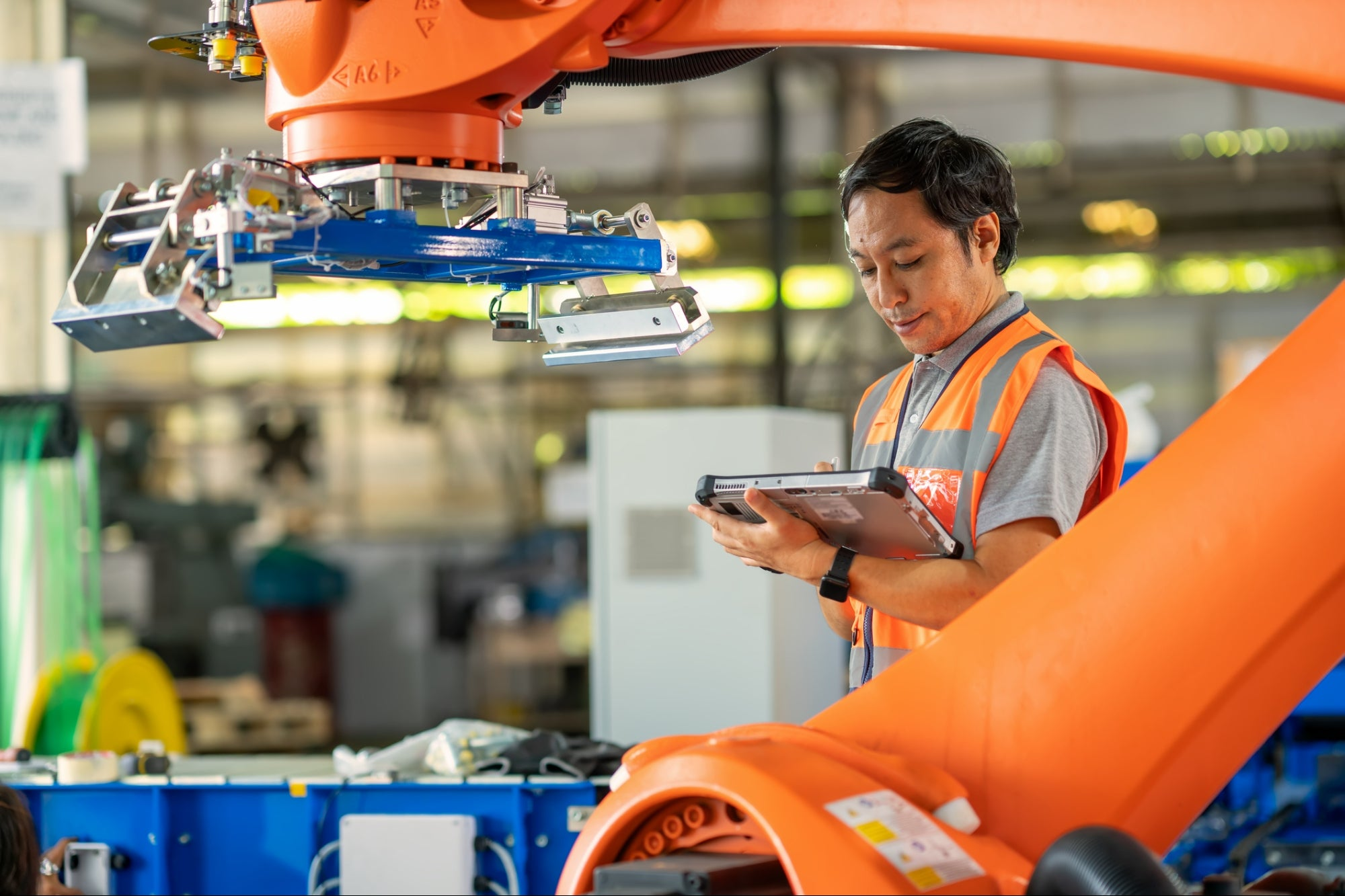
Understanding the Shift to Automation
Robots are no longer just a concept from science fiction; they are now integral to various industries, including manufacturing, food service, and warehousing. Companies are increasingly adopting automation to address labor shortages and rising operational costs. This trend is particularly beneficial for startups, allowing them to enhance their capabilities without a significant increase in staff. As the demand for efficiency grows, businesses are embracing robots to redefine productivity and operational processes.
Key Insights on Robotics Integration
- Advanced robots are taking on complex tasks, improving service and productivity across sectors.
- Major companies like Amazon and Tesla lead the way in integrating robotics into their operations, enhancing safety and efficiency.
- Industries like agriculture and construction are leveraging automation to optimize processes and reduce labor strain.
- Startups are finding innovative ways to finance automation, making it accessible even with high initial costs.
The Importance of Embracing Automation
The rise of automation is reshaping the workforce landscape, prompting a shift in job roles towards more technical and supervisory positions. While there are valid concerns about job displacement, the focus should be on how robots can complement human efforts, creating new opportunities in tech maintenance and management. For businesses, especially startups, early integration of robotics can provide a competitive edge, fostering growth and adaptability in a rapidly changing market. Embracing this technology is crucial for staying relevant and efficient in today’s economy.





