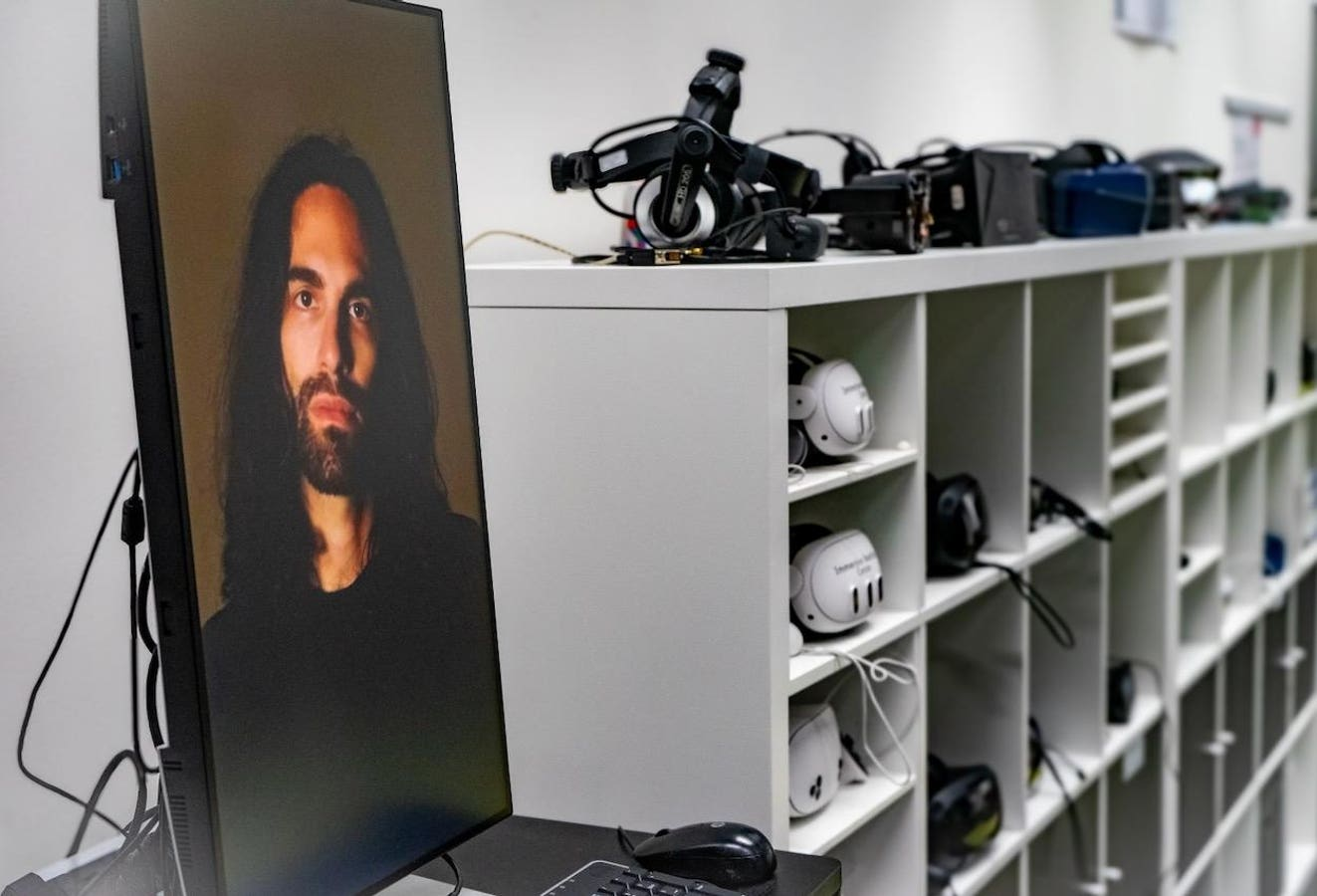
Exploring the Concept
The AI Jesus project at the Lucerne University of Applied Sciences and Arts has sparked a significant debate about the relationship between technology and religion. Following a two-month trial in a local church, AI Jesus returned to its creators, where it continues to interact with users. This initiative aims to examine how artificial intelligence can play a role in spiritual discussions. The project, named “Deus in Machina,” blends art and technology to explore the complexities of faith in a modern context.
Key Highlights
- Over 900 visitors engaged with AI Jesus during its time at Peter’s Chapel, using a confessional booth setup.
- The AI, powered by GPT 4o, engaged users in conversations about the Catholic Church, love, sexuality, and personal struggles.
- Feedback from participants showed a mix of curiosity and skepticism, with many finding the experience enlightening.
- Critics raised concerns about the appropriateness of using AI in sacred spaces, arguing it undermines the essence of confession.
Significance of the Initiative
The AI Jesus project raises crucial questions about the future of religious practices in a technology-driven world. It challenges traditional views on spirituality and community, inviting discussions on how faith can adapt to contemporary issues. As society increasingly interacts with AI, understanding its implications on personal beliefs and religious practices becomes essential. This initiative could pave the way for future explorations of faith and technology, making it a significant topic for both religious and technological communities.