Understanding AI’s Impact on Jobs
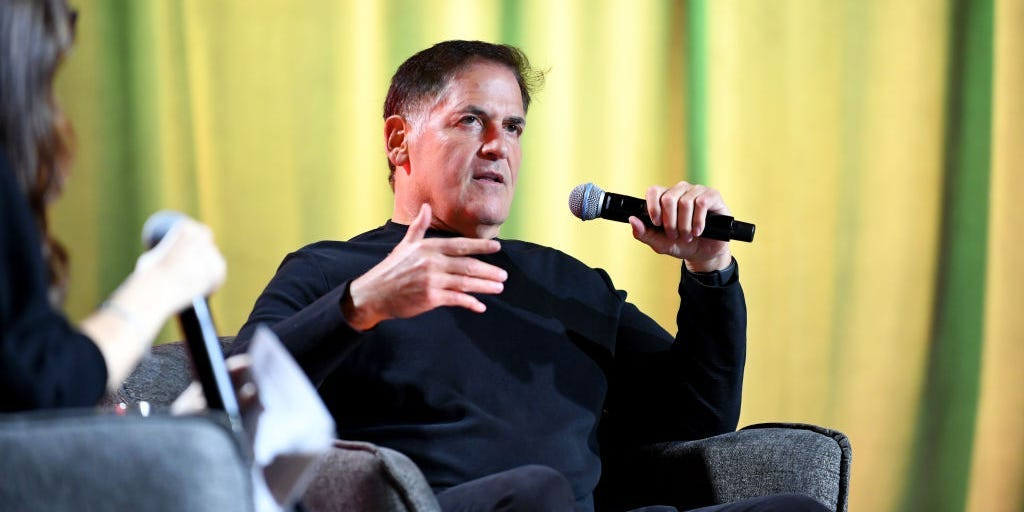
Artificial intelligence (AI) is changing the job landscape, and Mark Cuban has insights on how it will affect workers. Cuban believes that jobs requiring simple decisions, like yes or no answers, are at risk. However, positions that require critical thinking are less likely to be impacted. He emphasizes the importance of human oversight in AI processes, suggesting that workers will still play a crucial role in ensuring AI systems are effective and accurate.
Key Points to Consider
- AI is expected to disrupt 44% of workers’ skills within five years, according to the World Economic Forum.
- Jobs in sectors like legal and finance may not disappear but could be enhanced, automating up to 30% of tasks.
- Successful AI integration depends on how well individual companies implement the technology.
- Workers must provide feedback and corrections to AI systems to ensure quality and relevance.
The Bigger Picture
The evolution of AI raises important questions about the future of work. While some jobs may be at risk, others can benefit from AI advancements. This shift requires a focus on retraining workers to adapt to new roles and responsibilities. Companies must understand that the successful use of AI relies on human expertise and oversight. As AI continues to develop, its true impact on the workforce will unfold, highlighting the need for a strategic approach to technology integration.