
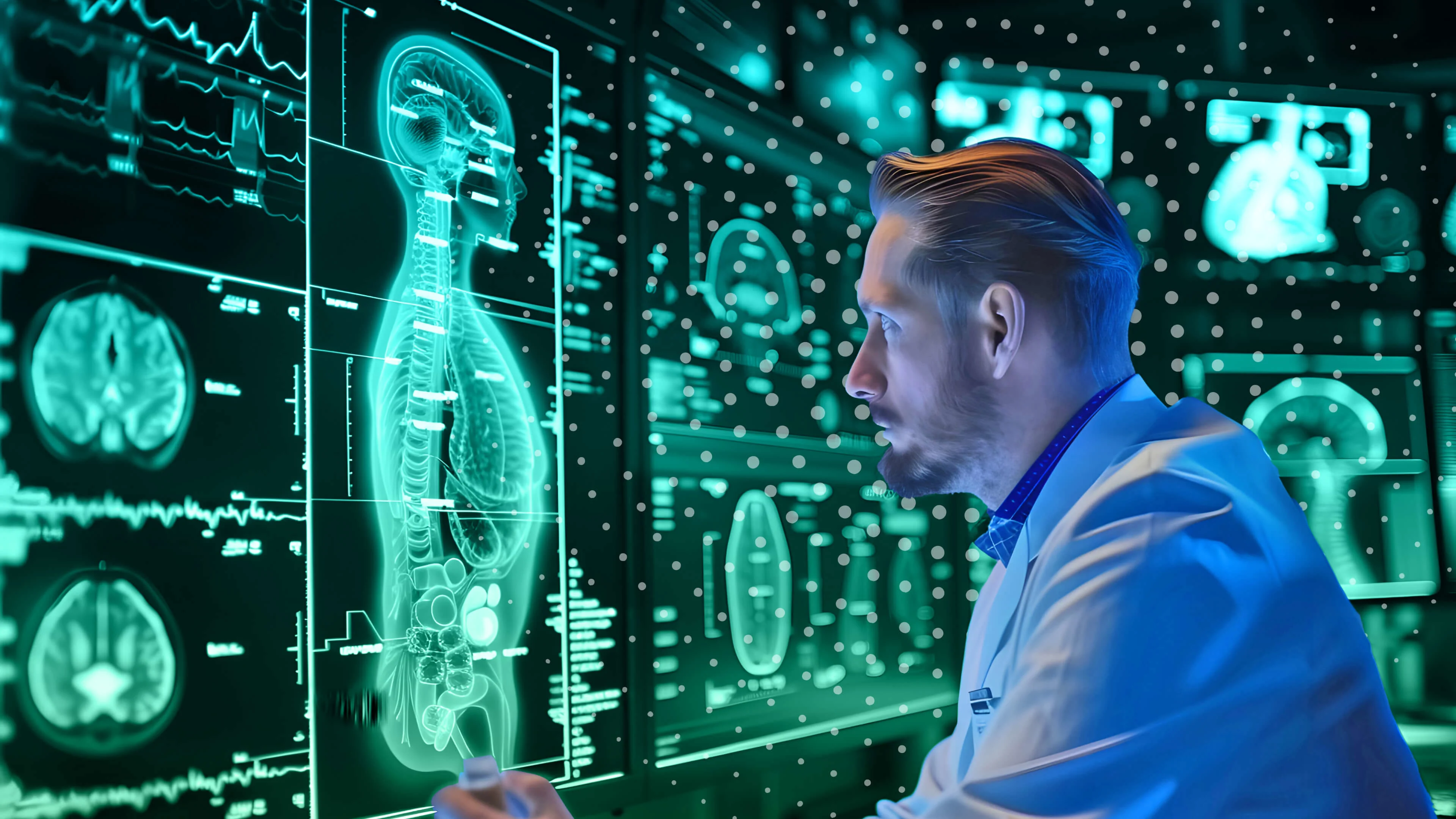
Understanding the Shift in Healthcare
The healthcare industry is undergoing a significant transformation driven by artificial intelligence (AI) and digital tools. This shift is reshaping how healthcare providers manage sensitive data and how patients engage with their medical teams. The increasing reliance on technology brings both advantages and risks, particularly regarding cybersecurity. As hospitals and healthcare systems become more connected, they face a growing number of cyber threats. However, the benefits of technology in saving lives and improving patient outcomes are undeniable. AI is emerging as a crucial ally in addressing these challenges, providing solutions that enhance security and efficiency.
Key Insights on AI in Healthcare
- The rise in cyberattacks on healthcare institutions has led to a demand for advanced security measures.
- AI can analyze vast amounts of data quickly, offering insights that help doctors make better decisions and improve patient care.
- Technologies like telemedicine and AI-driven monitoring systems enable personalized treatment and real-time health tracking for chronic conditions.
- Ethical concerns, such as algorithmic bias and trust in AI, must be addressed to ensure patient safety and effective integration into healthcare.
The Importance of AI in Modern Healthcare
The integration of AI in healthcare is not just about efficiency; it aims to enhance patient care fundamentally. AI tools allow for continuous monitoring of patients, which can lead to early detection of health issues. This is particularly vital for managing chronic diseases where timely intervention can significantly improve outcomes. Additionally, AI applications in treating cognitive decline show promise in improving the quality of life for patients with conditions like dementia. The ongoing evolution of AI in healthcare highlights the need for a balanced approach that combines technological advancements with human oversight, ensuring that patient care remains at the forefront.





