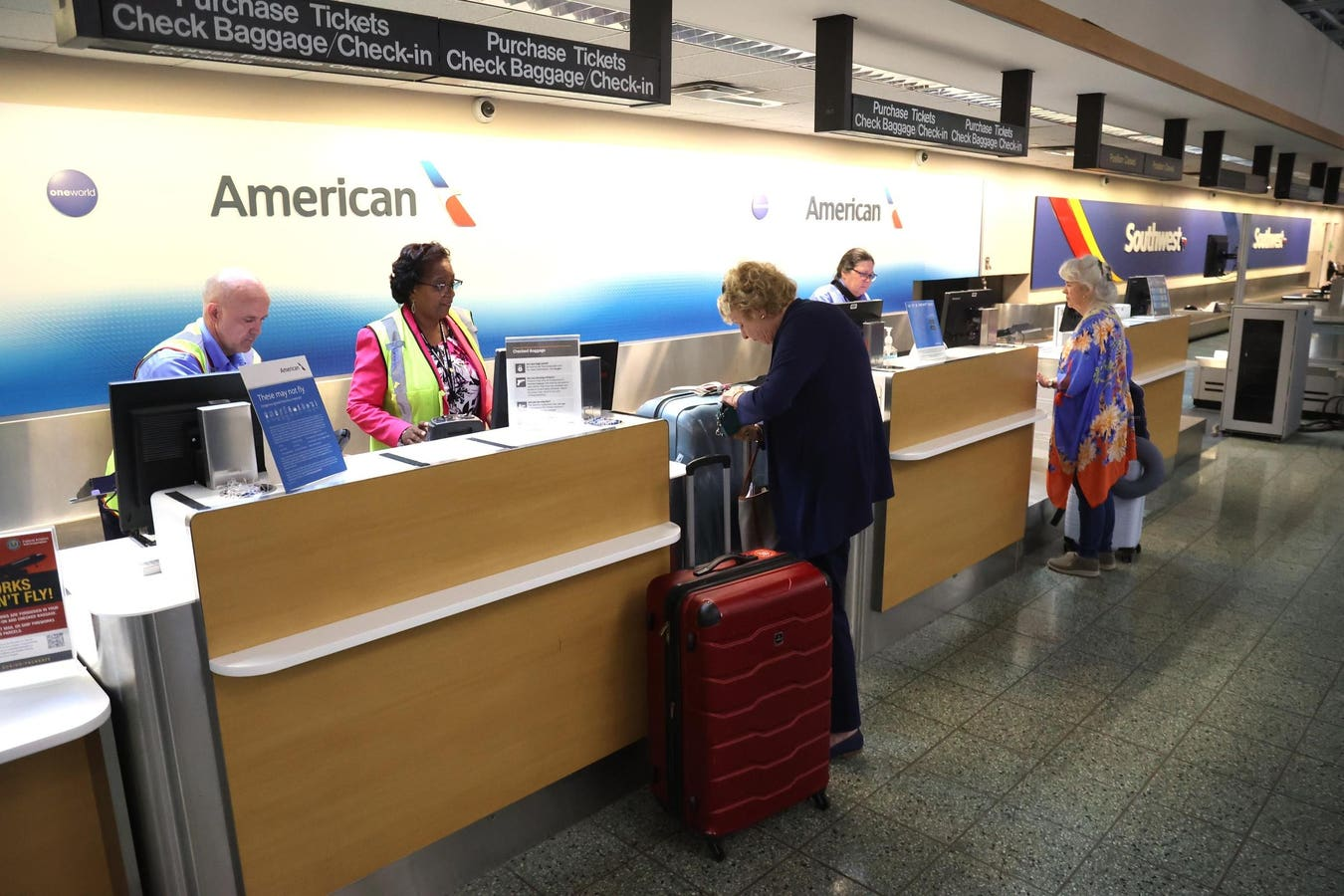
Navigating Holiday Travel Chaos with AI
The holiday season is a busy time for air travel, with millions of people flying around the world. However, many flights are often delayed, leading to frustration among travelers. In 2023, nearly 30% of flights arrived late, presenting significant challenges for airlines. Fortunately, AI technology is stepping in to help streamline operations and improve the travel experience. Udi Segall, CEO of IntellAct, emphasizes that AI not only enhances efficiency but also focuses on human connections, ensuring families reunite and passengers feel less stressed during their travels.
Key Benefits of AI in Air Travel
- Delay Diagnosis: AI analyzes flight turnaround processes, identifying issues like slow boarding and baggage handling to improve on-time performance.
- Disruption Prevention: By using historical and real-time data, AI predicts potential disruptions and suggests actions to mitigate their effects.
- Operational Efficiency: AI helps airlines optimize the use of gates and staff, reducing costs and supporting sustainability efforts.
- Safety Enhancements: AI tools monitor airport operations, detecting safety violations in real time to improve overall security.
- Passenger Experience: AI-driven innovations aim to create smoother and more enjoyable travel experiences for passengers.
The Bigger Picture: Economic Impact
The integration of AI into air travel operations has significant economic implications. By reducing delays and improving efficiency, AI helps airlines save money and potentially boosts global GDP. This is crucial for an industry with tight profit margins. AI’s role in making air travel more efficient not only enhances passenger experiences but also contributes to economic growth. As AI continues to evolve, it promises to reshape the future of air travel, making journeys more enjoyable and less stressful for everyone involved.