
Overview of the AI Gadget Revolution
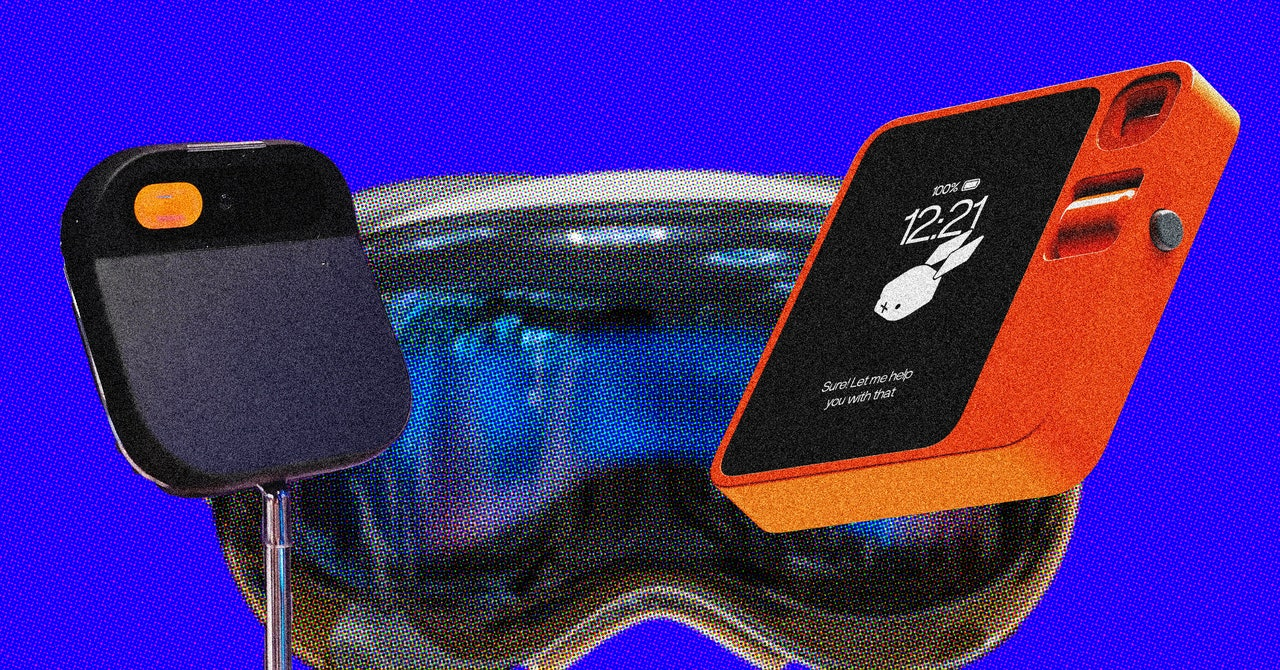
The year 2024 started with high hopes for innovative AI gadgets that promised to transform everyday life. At CES 2024, Rabbit CEO Jesse Lyu introduced the R1, an engaging pocket-sized AI companion. This device aimed to handle various tasks, from ordering rides to answering questions. Following this, Apple’s Vision Pro headset and Humane’s Ai Pin generated significant buzz. However, despite the initial excitement, all three products faced disappointing outcomes shortly after their launches.
Key Details of the Flops
- Rabbit’s R1, despite selling 100,000 units, received harsh criticism for underperformance and security flaws.
- Apple’s Vision Pro, a highly anticipated mixed-reality headset, has yet to prove its worth in the market.
- Humane’s Ai Pin was met with a wave of negative reviews, with many users returning the device due to poor functionality and safety risks.
- The companies behind these products are now shifting strategies, with Humane looking to license its technology to other sectors.
Significance of These Failures
The downfall of these once-promising gadgets highlights the challenges in the tech industry. Hype can lead to unrealistic expectations, and when products fail to deliver, consumer trust diminishes. These experiences serve as cautionary tales for both developers and consumers, emphasizing the need for thorough testing and realistic marketing. As the tech landscape evolves, it’s crucial to balance innovation with practicality to ensure that new products genuinely enhance our lives.





