Understanding the Transformation
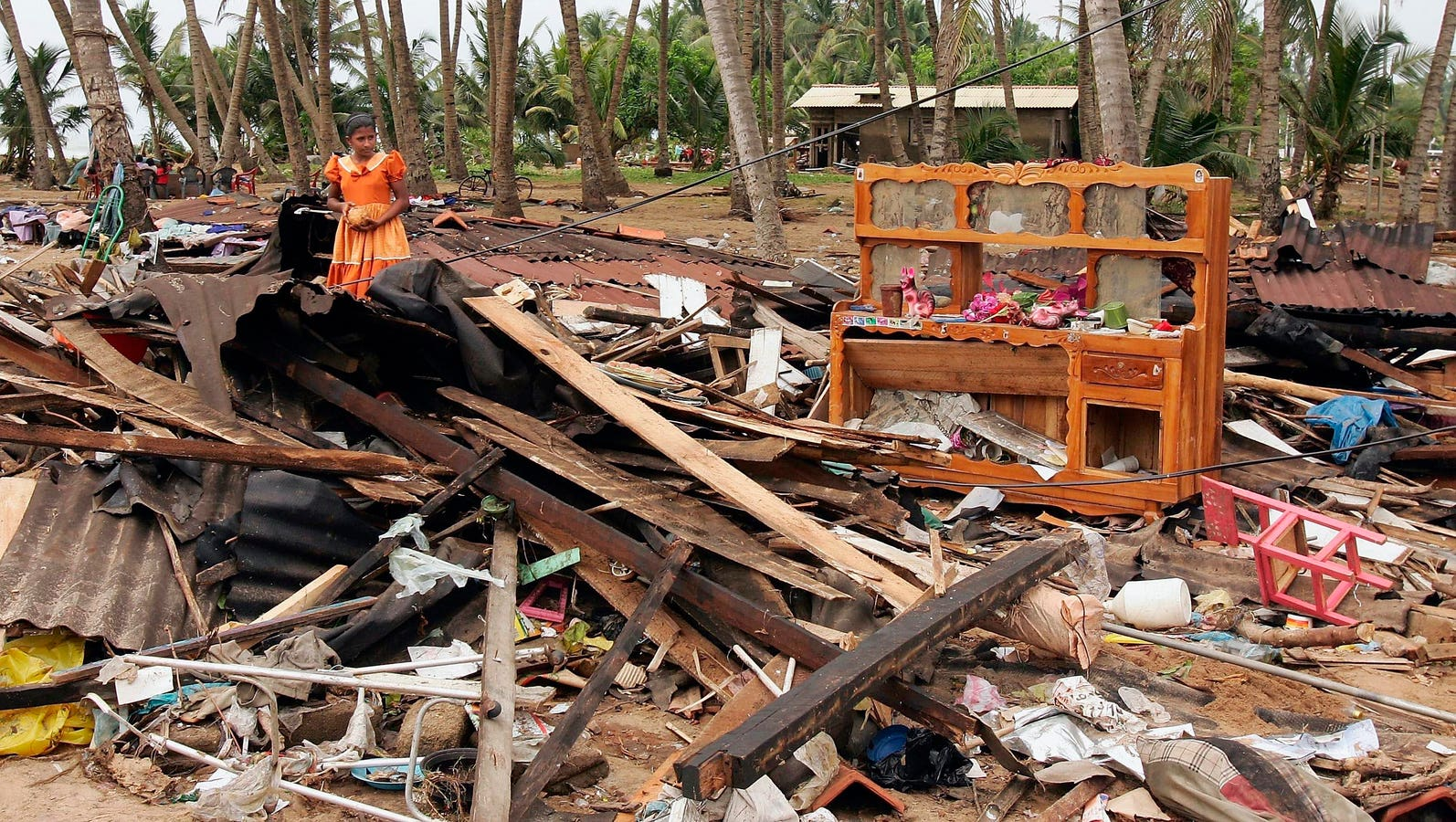
The Indian Ocean Tsunami of 2004 was a catastrophic event that claimed over 230,000 lives and displaced millions across multiple countries. This tragedy highlighted major weaknesses in global disaster preparedness and response systems. In the wake of such devastation, advancements in technology, particularly artificial intelligence (AI), provide new avenues for improving disaster management. Generative AI stands out for its potential to enhance prediction, preparation, and recovery efforts in the face of natural disasters.
Key Highlights
- AI is revolutionizing early warning systems by analyzing seismic and oceanic data to detect threats quickly.
- During disasters, AI helps identify the most affected areas using real-time satellite and drone imagery, optimizing emergency response efforts.
- AI supports urban resilience by assessing structural vulnerabilities and simulating disaster scenarios for better planning.
- Generative AI can enhance predictive modeling and provide instant translations, making communication more effective during crises.
The Bigger Picture
The integration of AI into disaster management is crucial for building a safer future. It allows for proactive measures that can significantly reduce the impact of natural disasters. However, ethical considerations must guide the deployment of AI technologies to ensure they serve the best interests of people and the planet. By focusing on tailored solutions, rigorous testing, and transparent processes, communities can harness the power of AI to not only recover from disasters but also to innovate and strengthen their resilience against future challenges.