Understanding the Landscape of AI Data Limitations
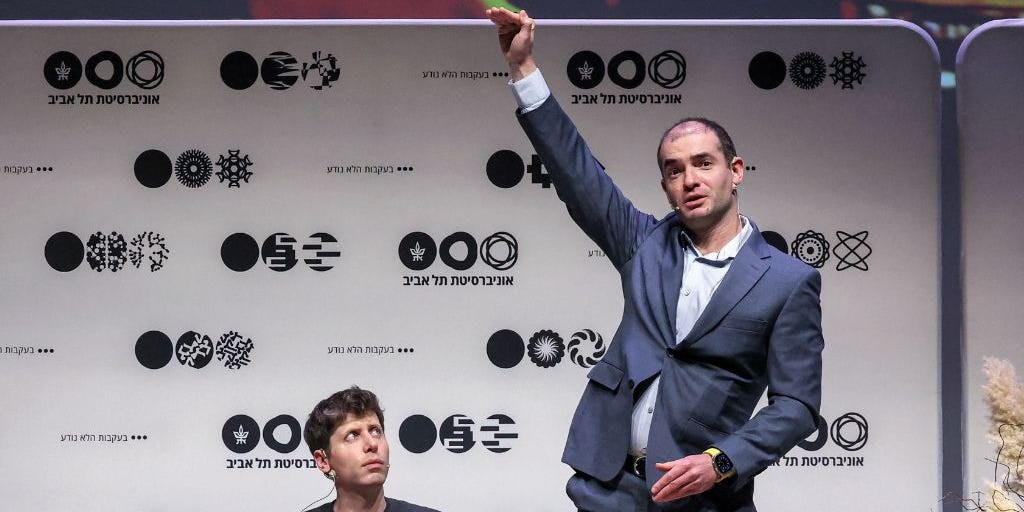
The AI industry is facing a critical moment as it approaches what OpenAI cofounder Ilya Sutskever describes as “peak data.” This term indicates that most useful data available on the internet has already been utilized for training AI models, leading to a slowdown in generative AI advancements. This situation raises concerns, especially with significant investments and market values tied to the continuous improvement of AI models. However, experts remain optimistic about potential solutions to this challenge.
Key Insights and Developments
- The technique of test-time compute allows AI models to break down complex tasks into smaller, manageable prompts, enhancing reasoning and output quality.
- OpenAI’s new model, o1, and similar models from Google and DeepSeek are utilizing this technique to generate outputs that could serve as fresh training data.
- Researchers at Google DeepMind propose that outputs from these models can be used to create an ongoing cycle of improvement for AI systems.
- Microsoft CEO Satya Nadella views this method as a new scaling law that could significantly boost model capabilities.
Implications for AI Progress
The concept of peak data presents a daunting challenge for the future of AI. However, the emergence of test-time compute offers a promising pathway to circumvent data limitations. By generating high-quality synthetic data, AI models can continue to evolve and improve, even as the availability of new training data diminishes. This innovation not only maintains the momentum of AI development but also reassures investors and stakeholders that the industry can adapt and thrive in the face of adversity.