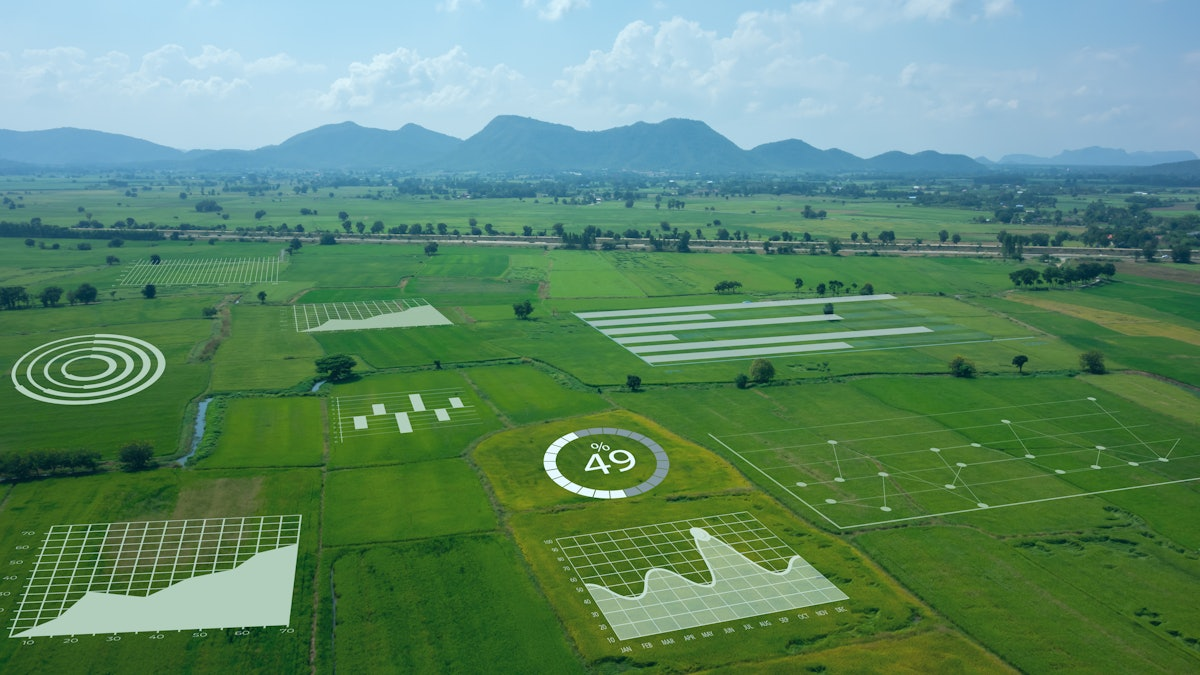
Innovative technology is reshaping the agribusiness landscape, addressing challenges from climate change to compliance. The integration of artificial intelligence (AI) into agriculture is proving to be a game-changer, enhancing productivity and ensuring adherence to regulations.
Understanding the Impact of AI in Agribusiness
AI is revolutionizing how agribusinesses operate. By utilizing data from various sources, companies can make informed decisions that improve crop yields and reduce costs. AI applications range from analyzing soil health to optimizing seed genetics, providing farmers with tailored solutions to local conditions.
- Agranimo uses sensors and satellite data to boost fresh produce yields.
- AI chatbots in India offer farmers localized advice for pest control and drought management.
- Royal Eswatini Sugar reports significant financial gains from AI-driven data analysis.
- Compliance with evolving regulations is increasingly manageable through Generative AI tools.
Why AI Matters in Agriculture
AI’s role goes beyond enhancing productivity; it also addresses critical compliance issues in a complex regulatory environment. As agricultural regulations grow stricter, AI systems help businesses navigate these challenges efficiently. This technology not only streamlines compliance processes but also supports sustainable practices, ultimately benefiting both producers and consumers.
Investing in AI can lead to better resource management, reduced waste, and improved food safety, making it essential for the future of agribusiness. The ongoing collaboration between tech developers and farmers will be crucial in overcoming current barriers, ensuring that agricultural practices evolve to meet modern demands.