Understanding the Issue at Hand
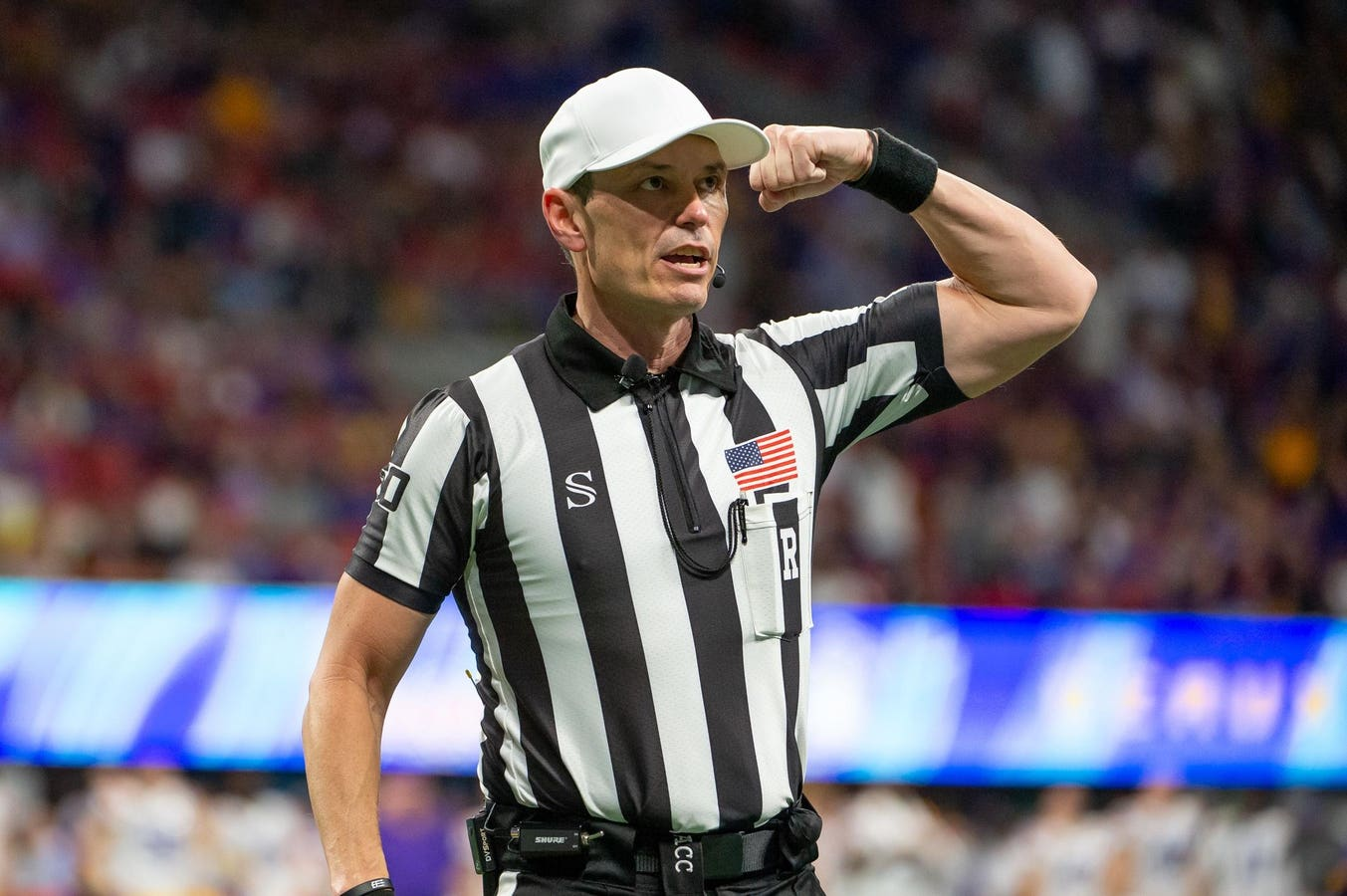
The targeting rule in college football has been a hot topic, especially after a controversial no-call in the recent Peach Bowl between Texas and Arizona State. This rule, which aims to protect players from dangerous hits, often leads to debate due to its subjective nature. The inconsistency in how targeting is called can significantly affect game outcomes, as seen in the Peach Bowl where a missed call shifted the momentum. The NCAA introduced targeting to enhance player safety, but its enforcement varies widely, leading to confusion and frustration among fans, players, and coaches alike.
Key Points to Consider
- The targeting rule, established in 2008, results in a 15-yard penalty and possible ejection for dangerous hits.
- The enforcement of the rule is subjective, leading to inconsistent calls that can change game dynamics.
- Recent calls for greater consistency in targeting enforcement have emerged, with suggestions to implement AI technology.
- Other sports have successfully integrated AI for officiating, such as VAR in soccer and automated strike zones in baseball.
The Bigger Picture
The potential for AI to standardize targeting calls could revolutionize college football. By leveraging advanced algorithms and computer vision, AI could provide consistent and unbiased assessments of plays, reducing controversies. However, significant challenges remain, including the need for high-quality data, real-time processing capabilities, and acceptance from the football community. The future of AI in officiating hinges on overcoming these hurdles, which could lead to a more fair and enjoyable game for everyone involved.