
Overview of the Conflict
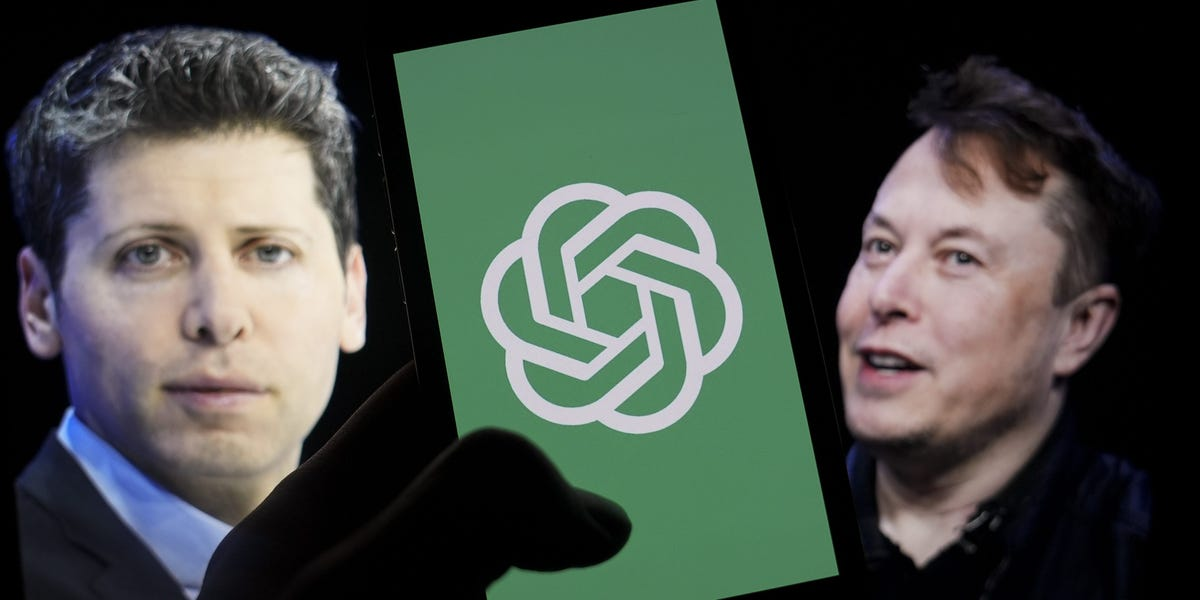
Elon Musk’s lawsuit against OpenAI is a significant legal dispute that could shape the future of artificial intelligence. Musk, a co-founder of OpenAI, alleges that the organization has strayed from its original mission of ensuring AI safety in favor of profit. The lawsuit, filed in federal court, stems from Musk’s concerns over OpenAI’s partnership with Microsoft and its shift to a for-profit model. The case is expected to unfold over the next year, with implications for how AI is developed and regulated.
Key Details
- Musk’s lawsuit claims OpenAI violated its nonprofit mission by prioritizing profits and forming a partnership with Microsoft.
- He accuses OpenAI and Microsoft of engaging in deceptive practices and violating anti-racketeering laws.
- Musk’s legal team seeks to prevent OpenAI from fully converting to a for-profit entity, arguing this change undermines its commitment to safety.
- OpenAI maintains that its corporate evolution is necessary to secure funding and pursue its goals effectively.
Importance of the Case
This legal battle is crucial as it raises questions about the ethical development of AI. If Musk’s claims hold merit, it could lead to stricter regulations on AI companies and reinforce the need for transparency and safety in AI advancements. The outcome may influence how AI technologies are governed, ensuring they align with the public interest rather than purely financial motives. The involvement of public interest advocates, including the Delaware Attorney General, highlights the broader implications for society as AI continues to evolve.





