
Understanding the Future of AI
NVIDIA’s CEO Jensen Huang shared the company’s ambitious vision for the future of artificial intelligence during his keynote at CES 2025. He discussed the evolution of AI from perception to generative capabilities, and now to what he calls “physical AI,” which can perceive, reason, and act in real-world environments. Huang unveiled several cutting-edge innovations that position NVIDIA at the forefront of AI technology across gaming, robotics, and autonomous vehicles.
Key Highlights from the Keynote:
- The GeForce RTX 50 Series was introduced, featuring the RTX 5090 GPU with 92 billion transistors and 3,352 trillion AI operations per second.
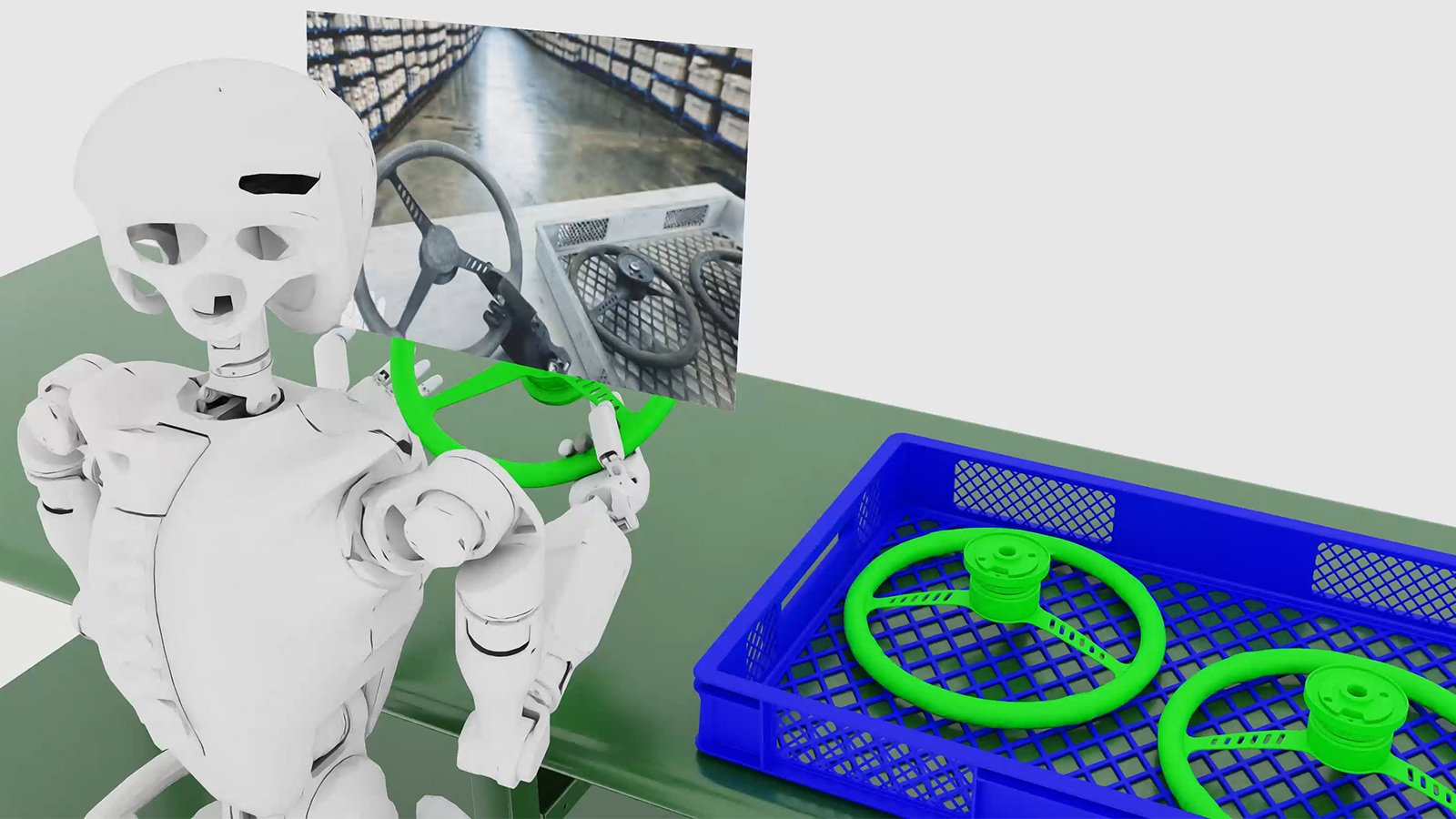
- Cosmos, a new platform for robotics and AVs, enables machines to simulate real-world scenarios and optimize their actions using AI.
- New AI foundation models for RTX PCs were launched, aimed at enhancing productivity and content creation for developers.
- Project DIGITS, a compact AI supercomputer, was announced, making powerful AI tools accessible for individual developers.
The Significance of These Innovations
NVIDIA’s advancements are crucial as they reshape multiple industries. The RTX 50 Series promises to enhance gaming experiences significantly. Meanwhile, Cosmos and AI models empower developers to create sophisticated AI applications, driving innovation in robotics and AVs. The introduction of Project DIGITS democratizes access to powerful AI computing, paving the way for broader adoption and development. Huang’s insights suggest that the next few years will see remarkable breakthroughs in AI technology, impacting everyday life and various sectors.





