Understanding the Incident
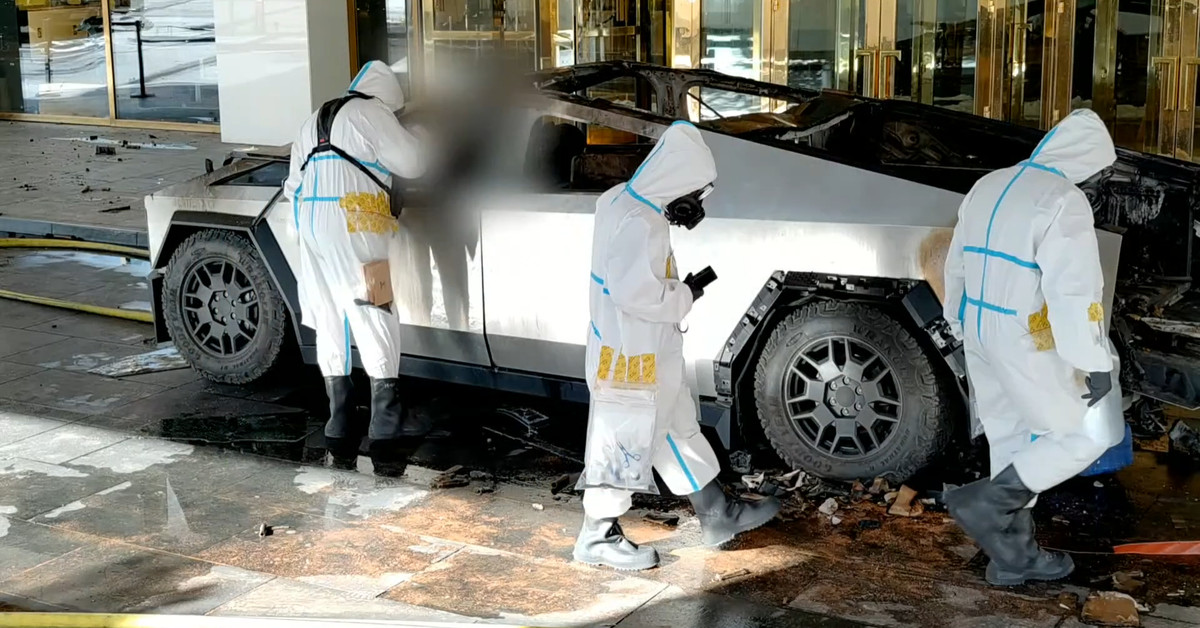
A recent explosion outside the Trump Hotel in Las Vegas has raised serious concerns about the involvement of generative AI in criminal activities. The suspect, Matthew Livelsberger, an active duty soldier, had saved a potential manifesto on his phone and engaged in extensive online inquiries about explosives. Local authorities have released details about his actions leading up to the explosion, which have sparked discussions on the implications of AI technology in crime.
Key Details
- Livelsberger had a manifesto and several letters, indicating premeditation.
- Video evidence shows him preparing the explosion by pouring fuel into a truck.
- He made multiple queries to ChatGPT regarding explosives and firearms just days before the incident.
- OpenAI claims that their model provided warnings against harmful activities and shared information already available online.
Significance of the Findings
This incident highlights the potential risks associated with AI technology when misused. The case raises questions about how easily individuals can access dangerous information through AI. It also emphasizes the need for responsible usage of AI tools, particularly in the context of public safety. As society continues to integrate AI into daily life, understanding its implications on criminal behavior becomes crucial for law enforcement and policymakers.