Understanding the Shift in Filmmaking
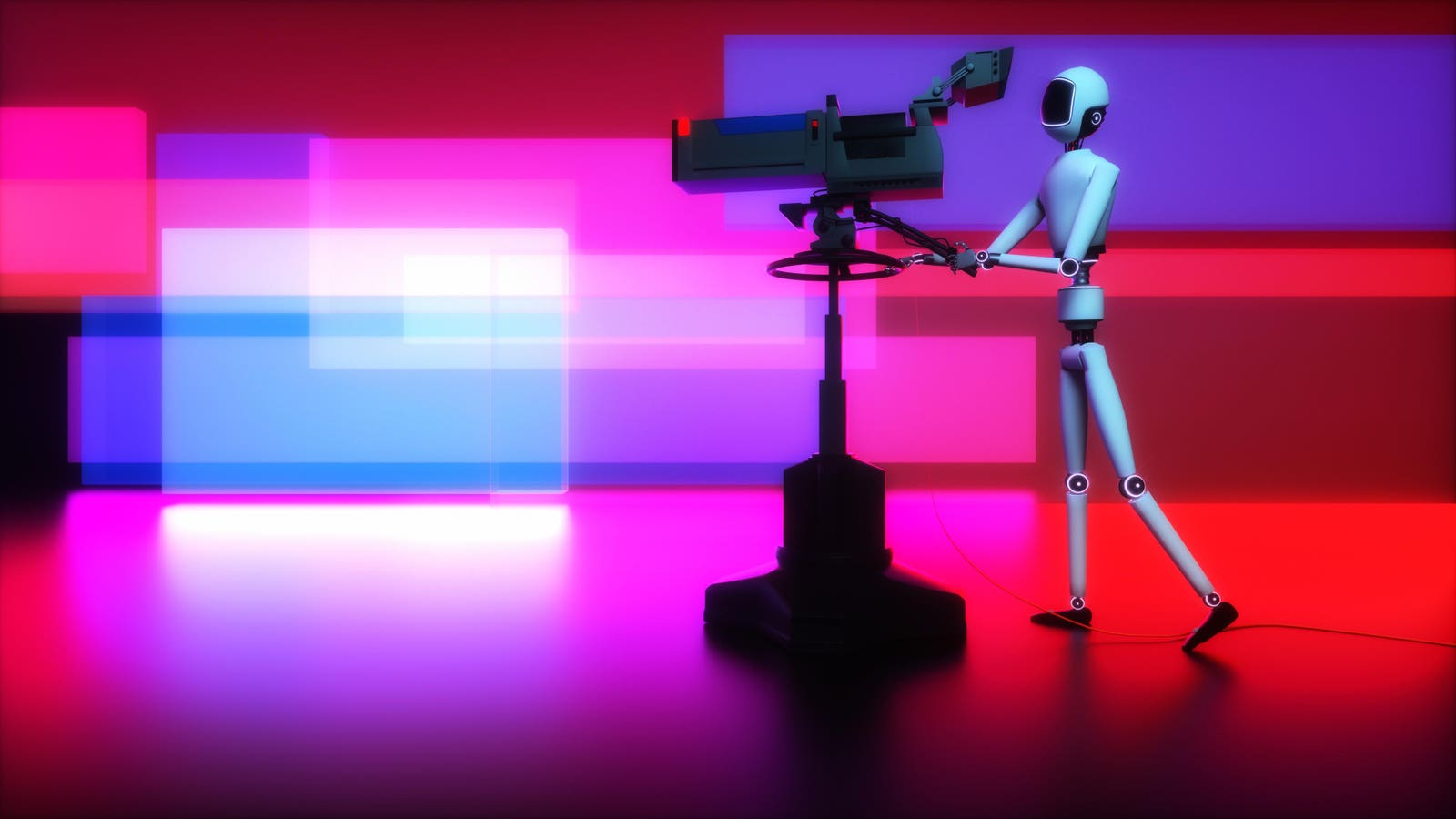
Generative AI is transforming the film industry, offering innovative tools that can streamline production processes. Key figures in technology and entertainment gathered to discuss how these advancements could reshape Hollywood. While some are excited about the possibilities, others worry about job security and the ethical implications of using AI-generated content. The discussions highlighted both the advantages and challenges that come with this technological evolution.
Key Insights from the Discussion
- Ed Ulbrich emphasized that AI has been part of filmmaking for years but is now evolving rapidly, causing concern among creatives.
- Jason Zada showcased AI-generated short films that demonstrate the potential of text-to-video tools, despite some technical imperfections.
- Rachael Appleton introduced a tool that integrates real-world footage into 3D environments, saving time and costs for filmmakers.
- Panelists argued that AI can democratize creativity, shifting the focus from technical skills to storytelling fundamentals in education.
The Bigger Picture: Embracing Change
The rise of generative AI in filmmaking presents both opportunities and challenges. While there are fears about job losses, many believe that AI can enhance creativity and efficiency. The industry may benefit from a shift in focus towards storytelling rather than just technical skills. As AI tools become more integrated into production, they could help meet the growing demand for content while also creating new revenue streams. The overall sentiment suggests that, if ethically managed, generative AI could be a valuable asset to Hollywood’s future.