Understanding the Crisis
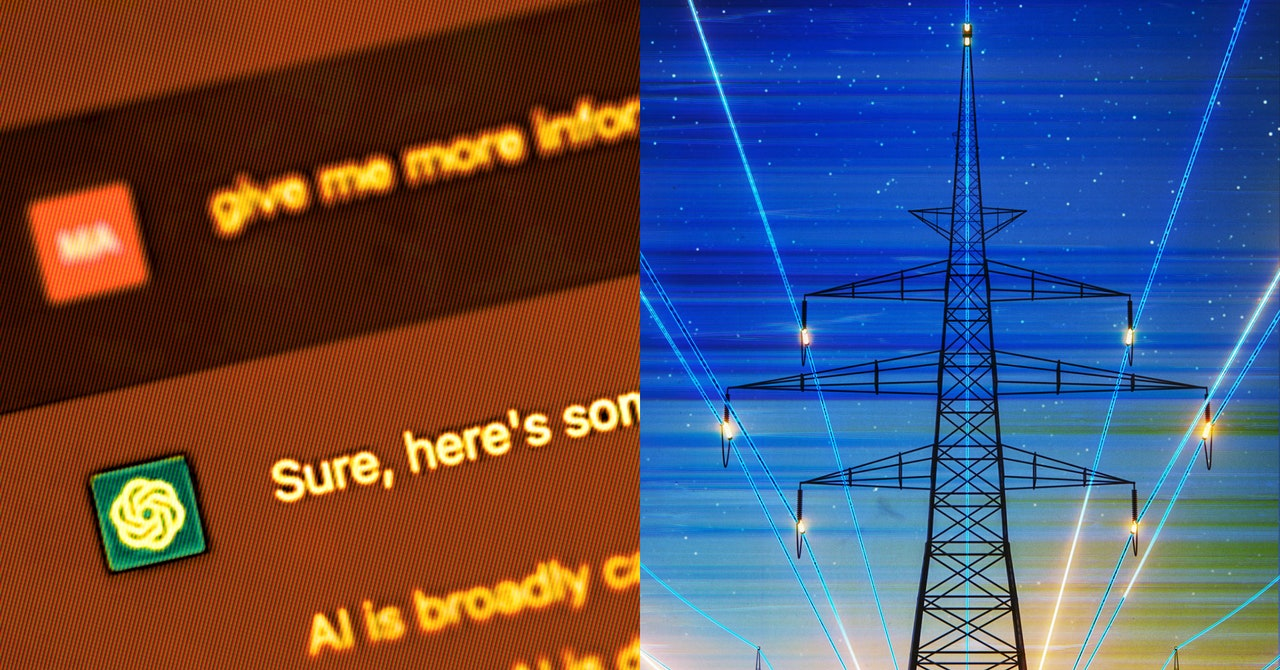
A tragic event unfolded when Matthew Livelsberger, a decorated US Army Green Beret, took his own life outside the Trump International Hotel in Las Vegas. In the days leading up to this incident, he engaged with an AI tool, seeking guidance on how to create a vehicle-borne explosive. This alarming situation highlights a growing concern among US intelligence about the potential misuse of AI by extremists to target critical infrastructure, particularly the power grid.
Key Insights
- Livelsberger’s conversations with ChatGPT revolved around acquiring explosive materials and methods to detonate them.
- Law enforcement officials, including Sheriff Kevin McMahill, express serious concerns about AI’s role in facilitating domestic terrorism.
- The Department of Homeland Security has warned that extremists are increasingly using AI to generate bomb-making instructions and attack strategies.
- Investigators discovered Livelsberger’s intentions to spark a political movement against diversity and promote a “hard reset” in government.
The Bigger Picture
This incident raises significant alarm about the intersection of technology and domestic extremism. The use of AI tools by individuals with violent ideologies poses a clear threat to public safety and national security. With extremists sharing hacked versions of AI chatbots to plan attacks, the vulnerability of critical infrastructure, especially the power grid, becomes increasingly concerning. As society grapples with these challenges, understanding and mitigating the risks associated with AI is imperative to prevent future tragedies.