
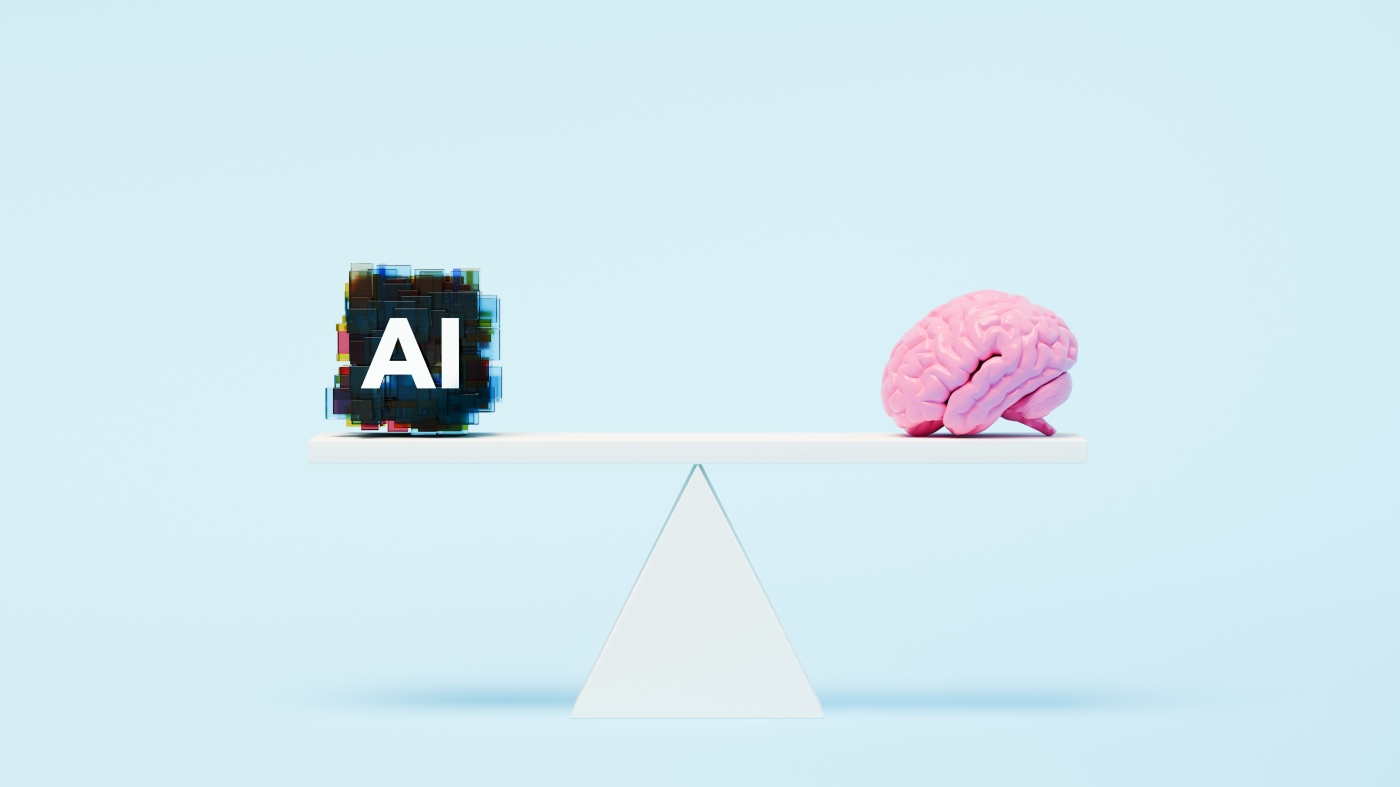
Understanding the Current Economic Landscape
Recent discussions among top economists reveal a complex relationship between artificial intelligence (AI), job markets, and income inequality. At a major economic conference, experts shared insights suggesting that fears of widespread job loss due to AI may be exaggerated. Instead, AI is likely to enhance productivity and complement human workers in various fields. The overall impact of AI on income inequality remains uncertain, with some studies indicating that lower-skilled workers might benefit more than their higher-skilled counterparts.
Key Insights from the Conference
- AI has not led to significant job losses; many jobs, like radiologists, are growing.
- Economists find that AI often complements rather than replaces workers, improving their efficiency.
- Some studies suggest AI may widen inequality by benefiting high performers more than low performers.
- The design of AI systems and accompanying public policies will play a crucial role in determining their impact on inequality.
The Bigger Picture
The ongoing dialogue among economists highlights that AI could reshape labor markets and economic structures. While there is potential for AI to reduce inequality, it could also exacerbate existing disparities if not managed carefully. The way AI is implemented and integrated into various industries will significantly influence its overall effects on society and the economy. As such, the choices made today regarding AI’s development and application could define the future of work and economic equity.





