
Understanding the Shift in IVF Practices
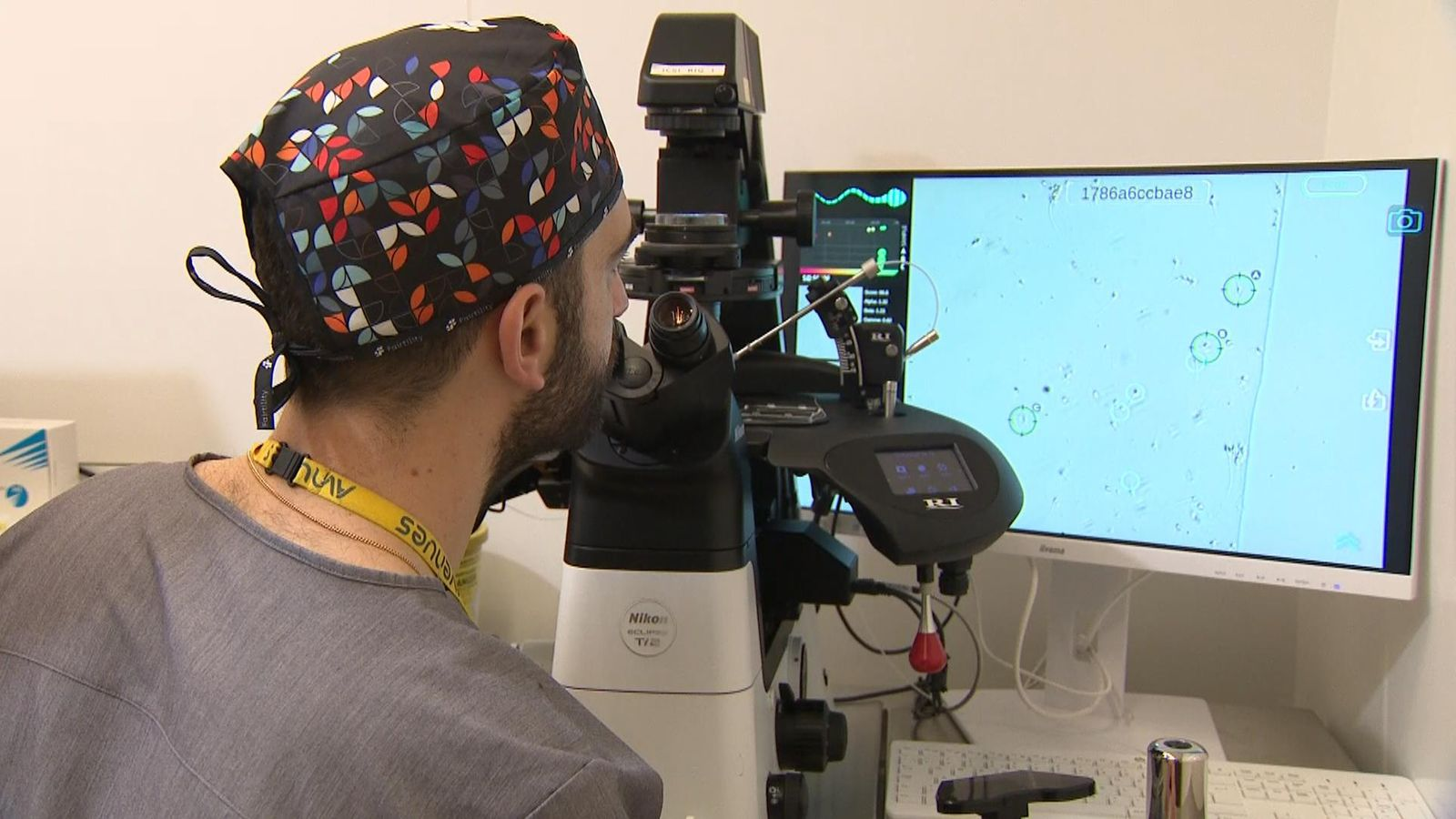
Infertility affects many couples, with one in six experiencing challenges in conceiving. In 2022, over 52,500 individuals turned to in-vitro fertilization (IVF) for assistance. However, the journey can be financially burdensome and emotionally taxing, often requiring multiple attempts. A promising development in this field is the integration of artificial intelligence (AI) into IVF clinics. AI technologies are now being employed to enhance the selection process for sperm, eggs, and embryos, potentially increasing the chances of successful pregnancies.
Key Insights on AI’s Role in IVF
- AI software identifies the healthiest sperm, eggs, and embryos, streamlining the selection process.
- Clinics like the Avenues Clinic in London report significant time savings and improved success rates due to AI support.
- Patients like Laura Farrell have experienced positive outcomes, with AI contributing to her pregnancy journey.
- Despite advancements, challenges remain, particularly regarding access to IVF services for marginalized groups, such as single women.
The Broader Implications for Fertility Treatments
The introduction of AI in IVF signifies a potential turning point in reproductive health, offering hope for better success rates and more efficient procedures. As the technology matures, it could lead to reduced costs and improved access to fertility treatments. However, there are still significant barriers that need addressing, particularly in terms of equitable access to these advancements. Ensuring that all individuals, regardless of their circumstances, can benefit from AI-enhanced IVF remains a critical challenge.





