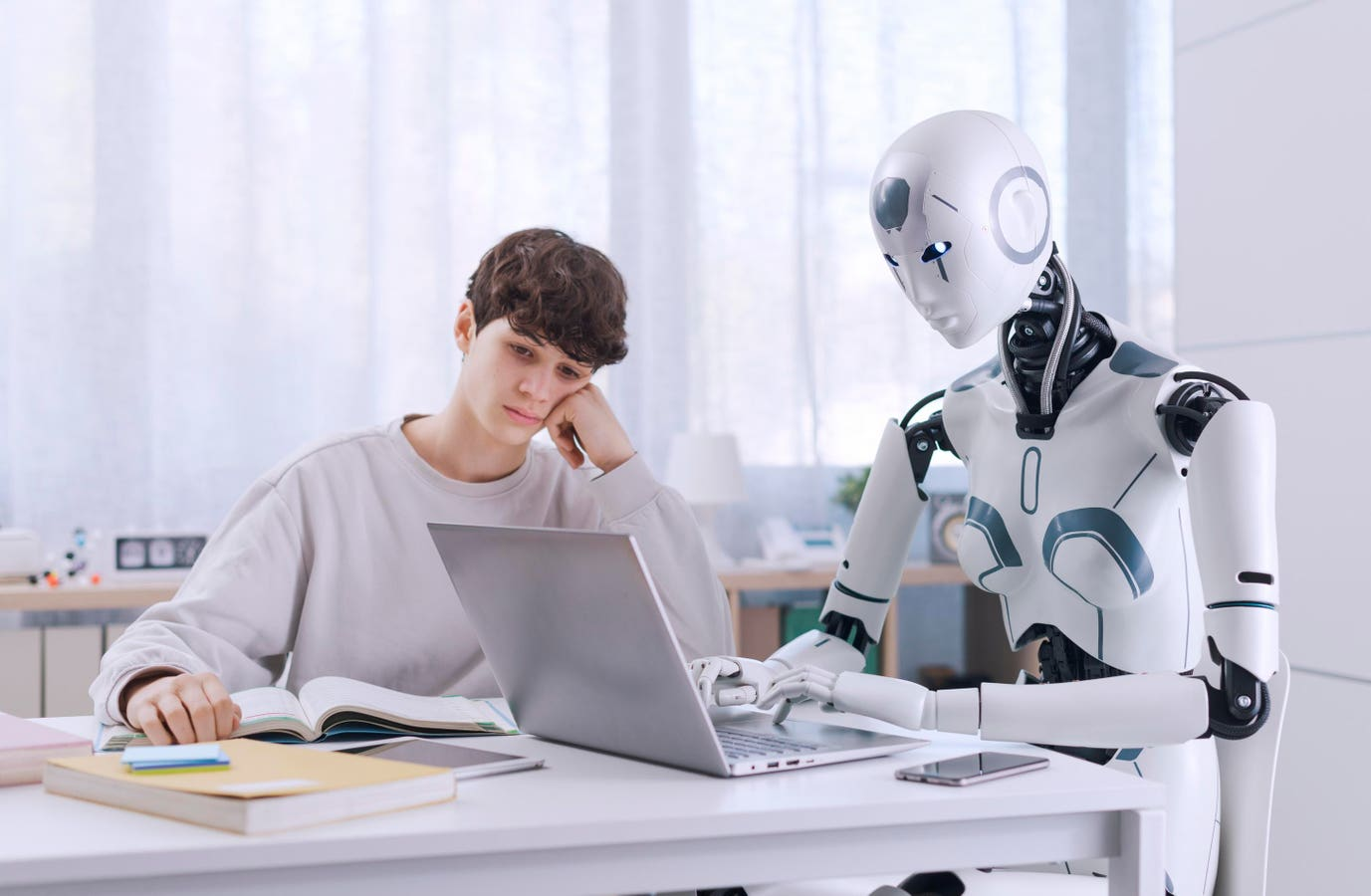
The rise of AI technology is reshaping the entertainment landscape, marking a significant shift from traditional Hollywood to a more decentralized creative culture. This transformation is led by innovations like OpenAI’s Sora, which generates realistic videos using text prompts. As AI capabilities expand, the concept of a shared monoculture in entertainment, once defined by collective movie-going experiences, is fading. The dominance of streaming platforms and individual content creation has splintered audience experiences, making it less likely for people to share common cultural references.
Key points to consider include:
- The decline of shared cultural experiences as fewer people watch the same movies or shows.
- The rise of AI tools like Sora, which allow individuals to create personalized content, potentially replacing traditional celebrity-driven narratives.
- The shift in perception of Hollywood stars, with many losing their once-universal appeal.
- A potential new era of creativity where ordinary people can produce films using AI technology, leading to a diverse range of content.
This shift matters because it highlights the changing dynamics of cultural consumption. As audiences become more fragmented, the traditional model of celebrity and blockbuster films is challenged. While this could lead to a more inclusive creative environment, it also raises concerns about societal cohesion. The future may bring a mix of nostalgia for Hollywood’s glory days and excitement for new possibilities in storytelling, driven by the democratization of filmmaking through AI.