Understanding the Shift in Food Manufacturing
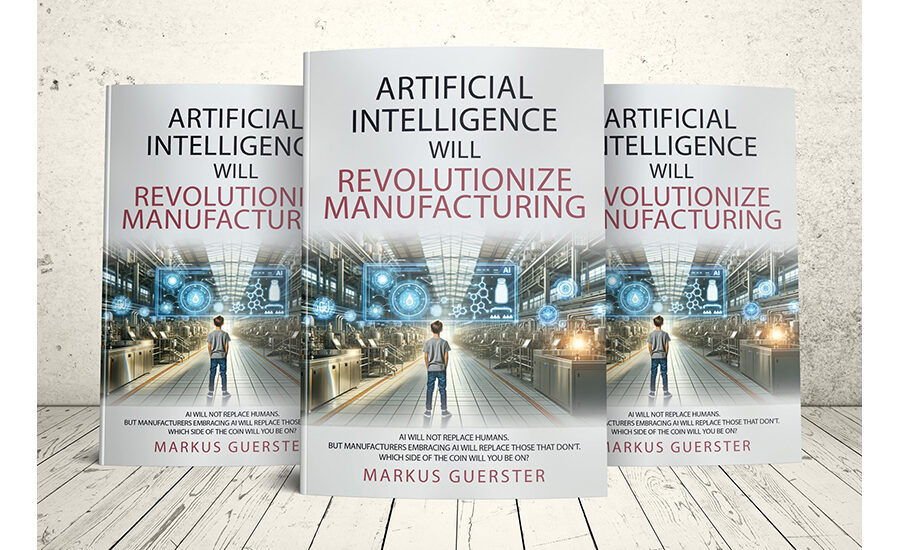
Markus Guerster’s book, “Artificial Intelligence Will Revolutionize Manufacturing,” highlights the ongoing transition in the food industry towards embracing AI technologies. As Industry 4.0 evolves, companies are now focusing on how to leverage big data and AI for improved manufacturing processes. The book serves as a guide, detailing the journey from initial digital technology adoption to the current quest for effective AI strategies.
Key Insights from the Discussion
- The food industry is experiencing peer pressure to adopt AI, but many lack clear guidance on how to start.
- Companies are moving beyond the initial excitement of AI to a more mature understanding of its capabilities and limitations.
- Agile methods are becoming popular, encouraging manufacturers to tackle small problems first and gradually scale solutions.
- Good data is essential for effective AI implementation; poor data leads to poor decision-making.
- Both large and small food manufacturers are recognizing the importance of data governance to ensure a solid foundation for AI investments.
The Importance of AI in Food Manufacturing
The integration of AI into food manufacturing is crucial for enhancing efficiency and decision-making processes. As companies face pressure to demonstrate ROI from AI investments, the focus on data management becomes paramount. This shift not only helps in optimizing operations but also prepares manufacturers for future challenges. By learning from early adopters and refining their approaches, food manufacturers can harness AI’s potential to improve their processes and ultimately deliver better products to consumers.