Understanding the New Era of Intelligence
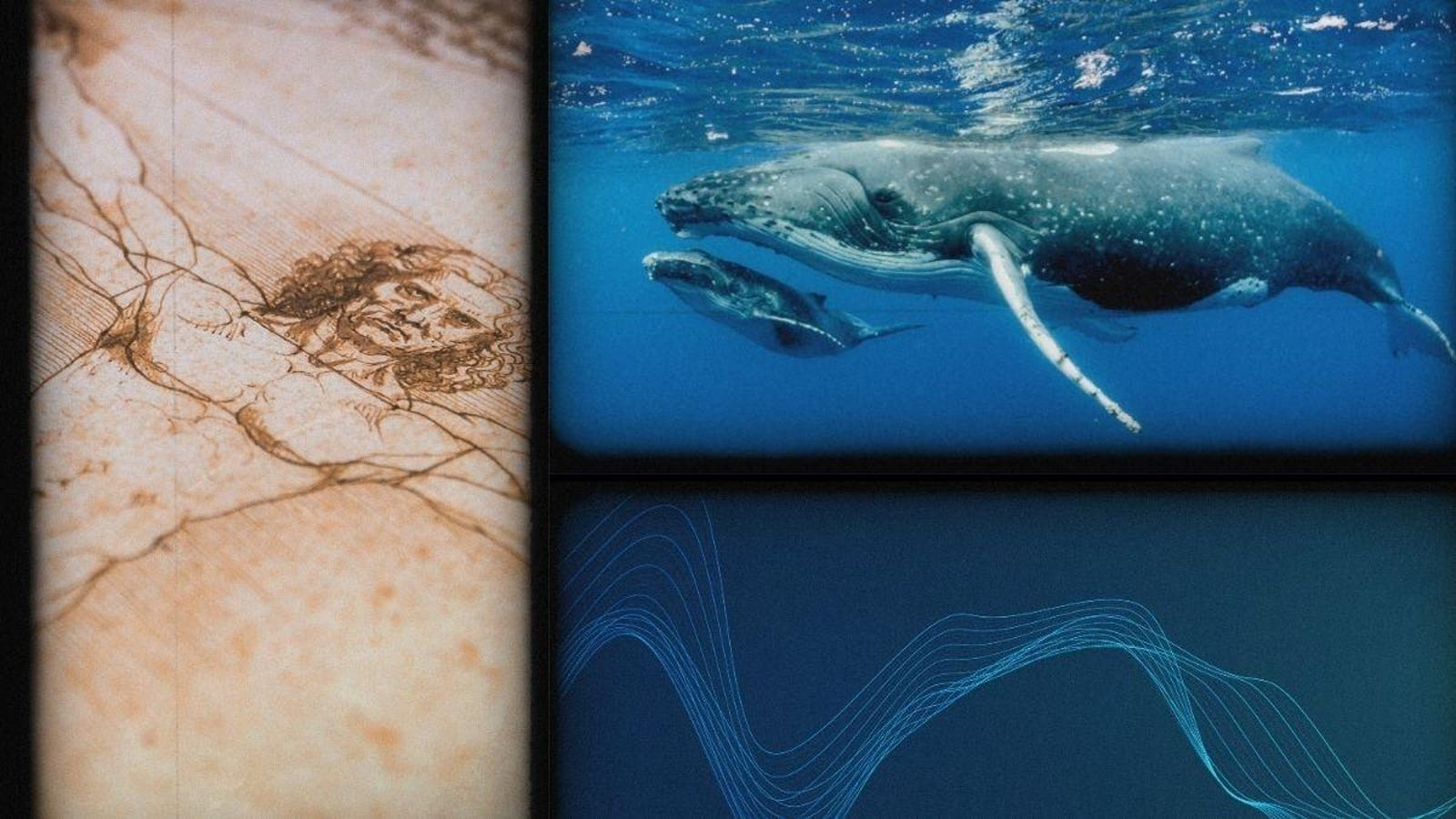
Noubar Afeyan discusses the emergence of a new intelligence concept called “polyintelligence,” which combines human intelligence, AI, and nature’s wisdom. He draws inspiration from historical figures like Leonardo da Vinci, emphasizing the importance of interdisciplinary knowledge and creativity. Afeyan believes that this interconnectedness can lead to innovative solutions for pressing global challenges.
Key Insights from Afeyan’s Perspective
- The term “polymath” describes individuals who synthesize knowledge from various fields, a trait that is becoming increasingly relevant in today’s world.
- Afeyan highlights significant milestones in the history of intelligence, including the Dartmouth conference in 1956 and the Human Genome Project, which have shaped our understanding of AI and human capabilities.
- He provides examples of how AI can enhance our understanding of natural phenomena, like sperm whale communication, and how it played a crucial role in developing COVID-19 vaccines.
- The concept of agentic AI is introduced, where AI systems can operate independently to tackle complex tasks, reflecting advancements in technology and game theory.
The Importance of Polyintelligence
This new framework is vital as it encourages collaboration across disciplines, paving the way for breakthroughs in health and environmental sustainability. As we face complex global issues, polyintelligence offers a roadmap for leveraging diverse forms of intelligence to create impactful solutions. The future holds promise for a collaborative approach that can redefine our understanding of discovery and innovation.