
Exploring the Intersection of Theater and Technology
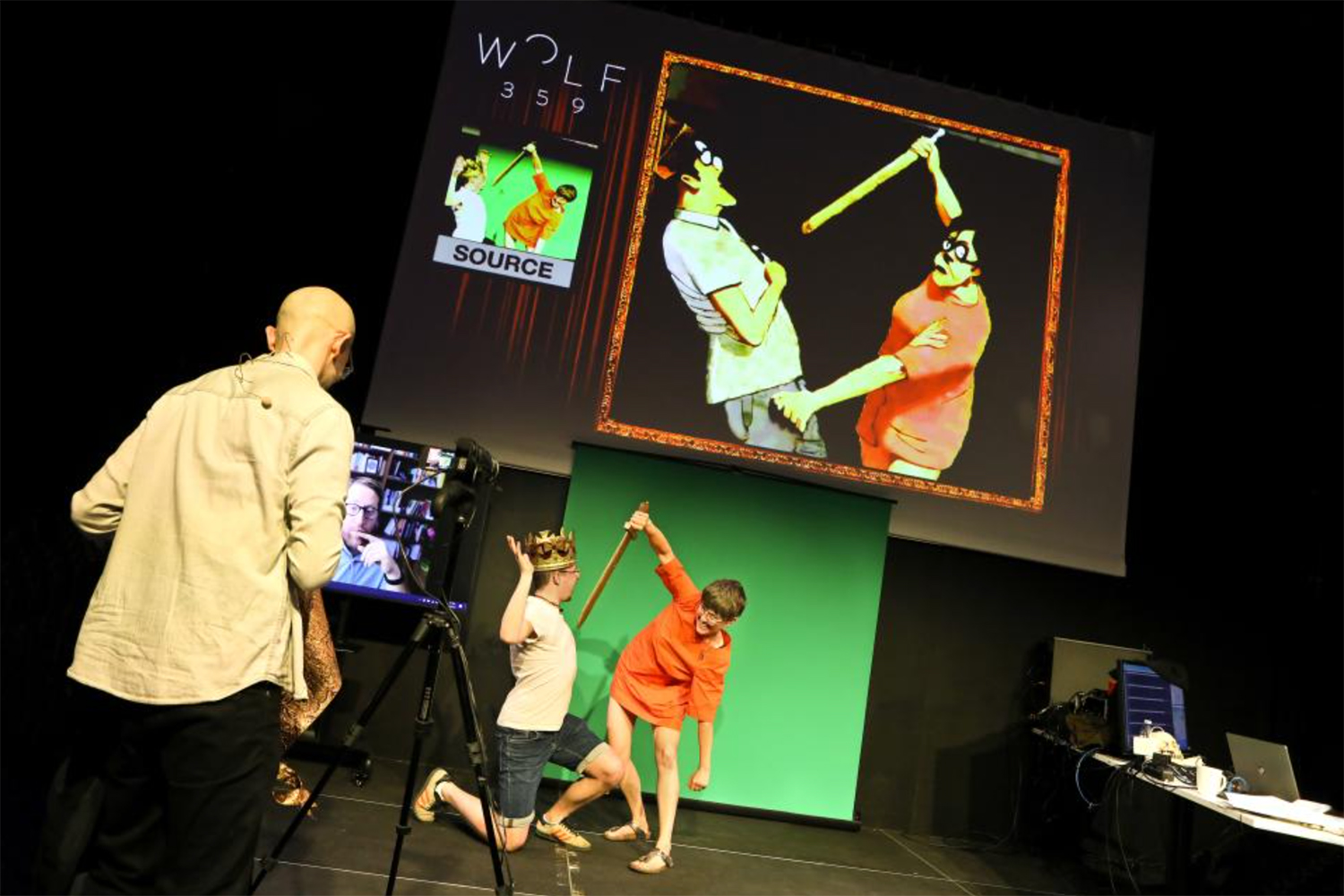
Michael Rau, an assistant professor at Stanford, is pioneering a new approach to theater by integrating artificial intelligence (AI) into live performances. His goal is to reflect modern life and technology through innovative storytelling methods. With support from Stanford’s Institute for Human-Centered Artificial Intelligence, Rau is experimenting with three main AI applications: image generation, live script generation using large language models, and pose analysis for actors’ movements. These projects aim to enhance the theatrical experience while keeping the human element at the forefront.
Key Innovations in AI-Enhanced Theater
- Image Generation: An AI system alters live performance images in real-time, creating dreamlike visuals.
- Live-Script Generation: Audience suggestions feed into an AI that creates scripts, allowing actors to perform spontaneously with lines delivered through earpieces.
- Pose Analysis: AI technology analyzes actors’ movements, helping scholars study choreography and gestures in performances.
- Human-Centric Approach: Rau emphasizes the importance of maintaining human creativity in the art-making process, ensuring AI serves as a tool rather than a replacement.
The Future of Theater and Creativity
Rau’s work highlights the potential benefits and challenges of using AI in the arts. While AI can open new creative avenues, concerns about intellectual property, homogenization of art, and the loss of human creativity remain. Rau believes that technology has always transformed theater, and the current advancements could lead to exciting developments. His upcoming project, Hamlet.AI, will further explore these themes, showcasing the evolving relationship between technology and artistic expression.





