Understanding the Future of AI Assistants
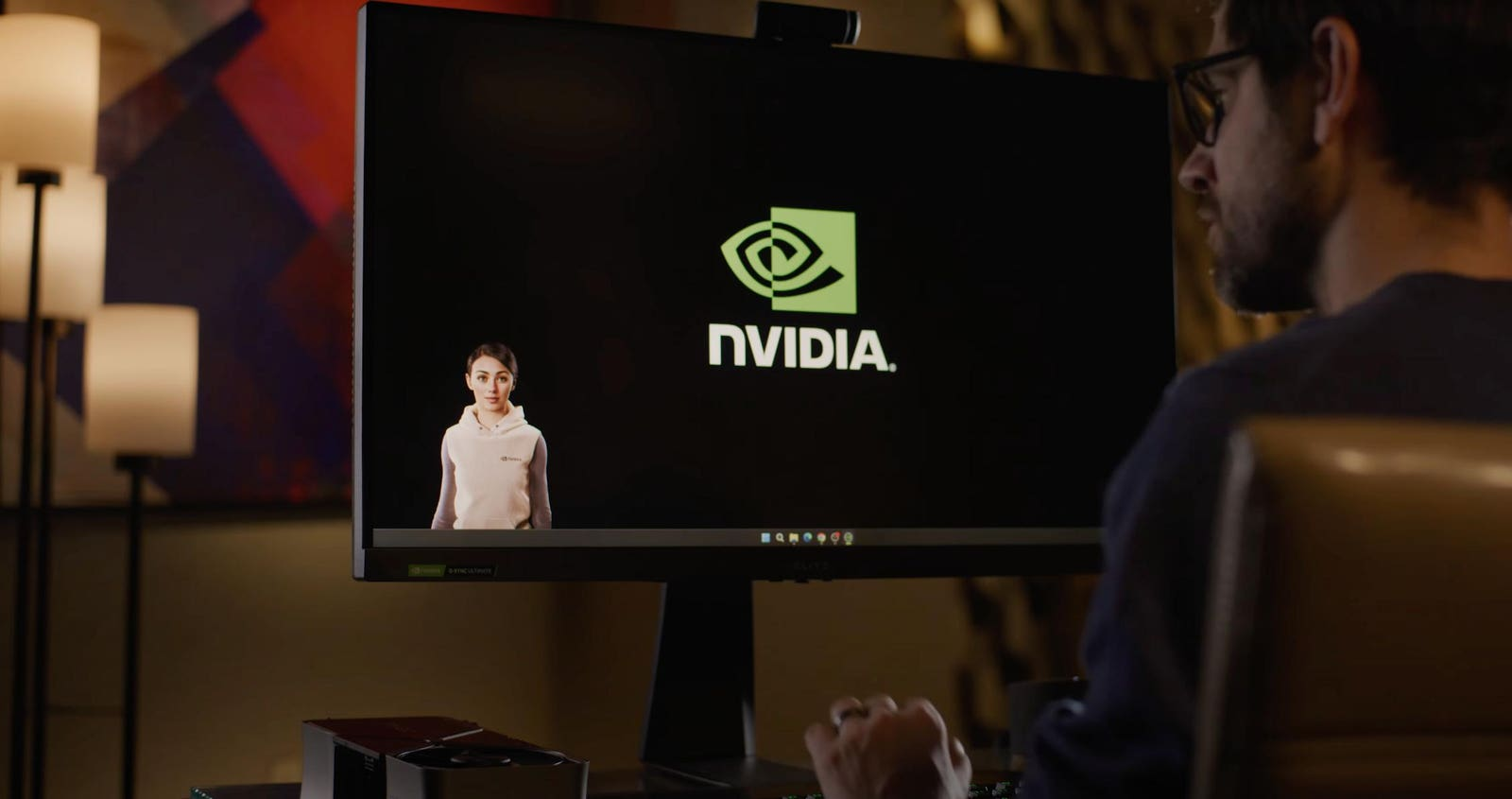
In 2025, AI assistants will evolve significantly, moving from passive tools to proactive helpers. This change was showcased at CES 2025, where Nvidia and Razer presented their innovative AI projects. These advancements allow AI to interpret user actions on-screen, providing tailored support without needing explicit commands.
Key Features of Project RTX and Project AVA
- Nvidia’s Project RTX acts as a graphical assistant that can see user activities and provide context-aware help for tasks like editing in Photoshop or formatting spreadsheets.
- The assistant utilizes both screen and webcam inputs, offering real-time suggestions based on what users are doing.
- Razer’s Project AVA focuses on enhancing the gaming experience by delivering real-time audio advice during gameplay, covering various genres from MOBAs to first-person shooters.
- AVA aims to provide tactical insights without interrupting the game, helping players improve their strategies and performance.
The Importance of These Innovations
These developments signify a major leap in user interaction with technology. By making AI more intuitive and responsive, users can expect a smoother experience across various applications, from productivity to gaming. As AI becomes more integrated into daily tasks, it raises questions about privacy and the future of human-computer interaction. The potential for these technologies to change how we work and play is immense, making it essential for users to stay informed about their capabilities and implications.