Exploring the Future of Autonomous Vehicles and AI Agents
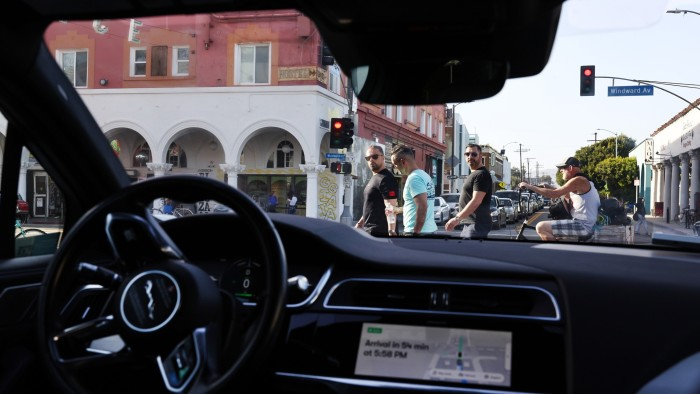
The article discusses the progress of Waymo, Google’s self-driving car project, and the broader implications for artificial intelligence (AI) agents. It reflects on the challenges faced by autonomous vehicles over the past decade and compares them to the anticipated advancements in AI. As the industry moves towards the development of AI agents that can perform tasks for users, the lessons learned from autonomous driving are crucial.
Key Highlights
- Waymo has significantly increased its robotaxi service, completing over 4 million trips in 2024 alone.
- The company prioritizes safety, having tested its vehicles extensively in controlled environments before public deployment.
- Despite setbacks in the autonomous vehicle sector, such as GM’s Cruise unit shutting down, optimism is returning with predictions of a multitrillion-dollar industry.
- The challenges of creating reliable AI agents mirror those faced in developing self-driving cars, as both require navigating complex interactions with humans and real-world environments.
The Bigger Picture: Safety and Reliability in AI Development
The advancements in Waymo’s technology highlight the importance of safety and thorough testing in the development of autonomous vehicles. As AI agents are expected to join the workforce, the same careful approach is necessary. Ensuring these agents can operate safely and effectively in unpredictable real-world scenarios is vital. The experience from autonomous driving can inform the design of AI agents, emphasizing the need for reliability and user trust. The future of both fields hinges on overcoming these challenges to unlock their full potential.