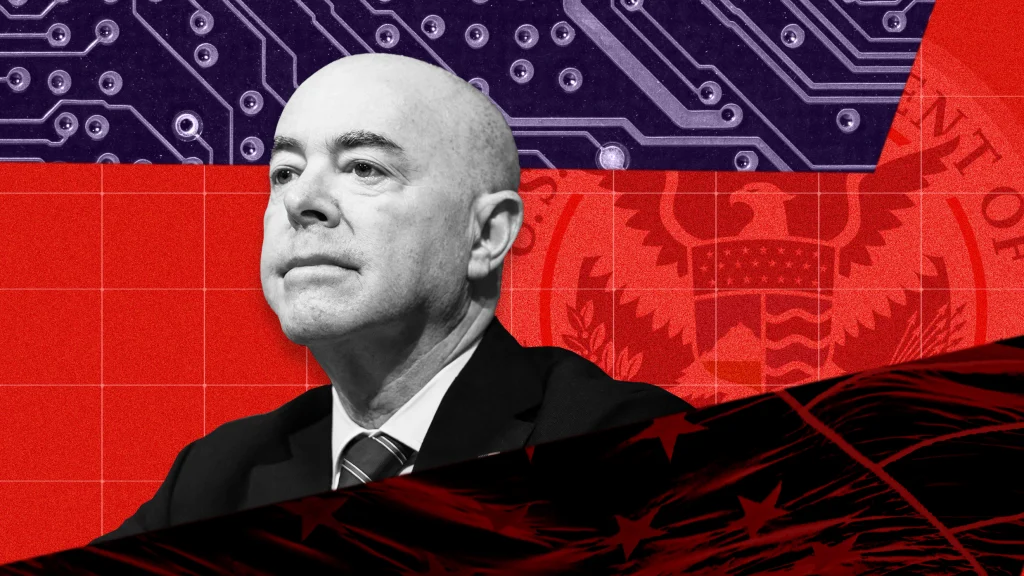
Understanding the Impact of AI in Homeland Security
Alejandro Mayorkas served as the Secretary of the Department of Homeland Security during a challenging period in U.S. politics. His tenure included significant events such as an impeachment, a fentanyl crisis, natural disasters, and domestic terror threats. However, his legacy may also center around the integration of generative AI into DHS operations. Mayorkas highlighted the department’s proactive response to the AI boom, showcasing how technology was utilized to enhance efficiency and security.
Key Developments in AI Implementation
- Mayorkas emphasized the rapid and expansive response of DHS to the generative AI shift, crediting his team for their efforts.
- The department established an AI roadmap early in 2024, along with policies governing AI usage.
- The creation of the AI Safety and Security Board and the position of chief AI officer were pivotal in overseeing AI initiatives.
- Notably, DHS trained a machine to simulate refugee applicants, providing valuable training for refugee officers and enhancing understanding of trauma responses.
The Broader Significance of AI in Governance
The integration of AI within DHS represents a significant step towards modernizing government operations. It reflects an understanding of both the potential benefits and risks associated with AI technology. By fostering partnerships with the tech sector and recruiting skilled professionals, DHS aims to build a future-ready workforce. As Mayorkas’ tenure concludes, the advancements made in AI could set a precedent for how government agencies adapt to technological changes, ultimately impacting national security and public safety.