Exploring AI’s Role in Film Editing
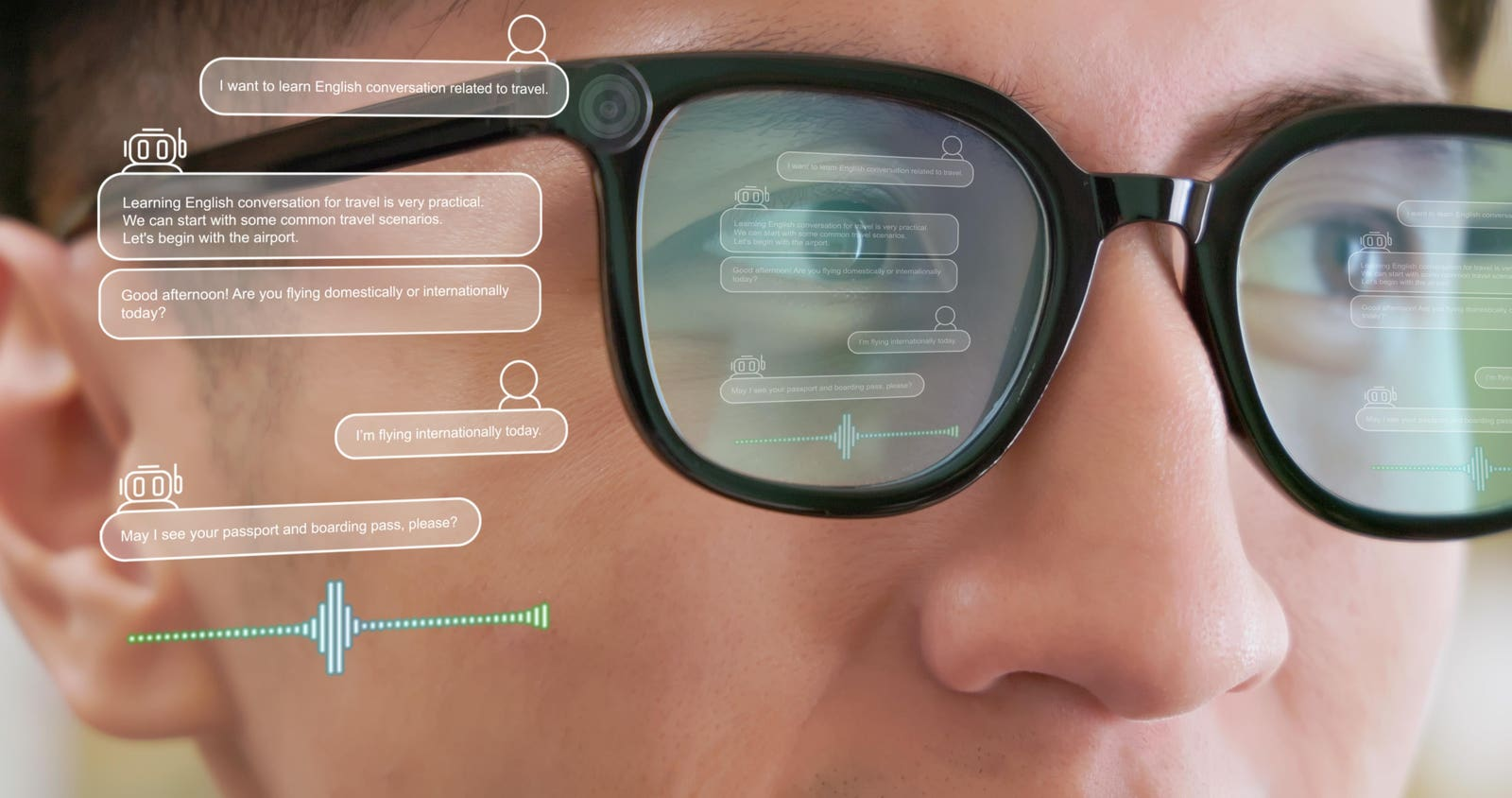
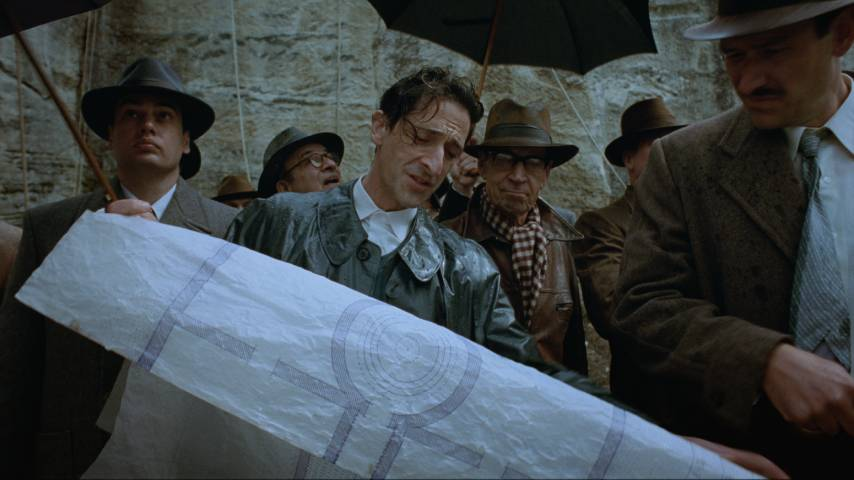
The use of AI technology in filmmaking has sparked debate, particularly in the case of the movie The Brutalist. This film, which aims to celebrate the resilience of the human spirit through art, has drawn attention for its reliance on AI to enhance the actors’ performances. The film’s editor, Dávid Jancsó, openly admitted to using AI software to modify Hungarian accents, raising questions about authenticity in art.
Key Details to Note
- The Brutalist employed generative AI to refine Hungarian accents in the dialogue.
- Editor Dávid Jancsó utilized the Ukrainian AI tool Respeecher to achieve this.
- The intention was to maintain the integrity of the actors’ performances while improving clarity.
- Critics have pointed out that the film’s ending, altered with AI, feels disconnected from its established themes.
Implications for the Future of Art
This situation underscores a significant tension between technology and artistic integrity. While AI can streamline processes and enhance production quality, it may also dilute the authenticity of artistic expression. The Brutalist, while ambitious in its themes, now faces scrutiny over its reliance on technology to achieve its vision. This raises broader questions about the role of AI in creative industries and whether it complements or compromises artistic endeavors. As filmmakers navigate this new landscape, the conversation around AI’s ethical implications in art becomes increasingly critical.