
Understanding the Shift in Employment Dynamics
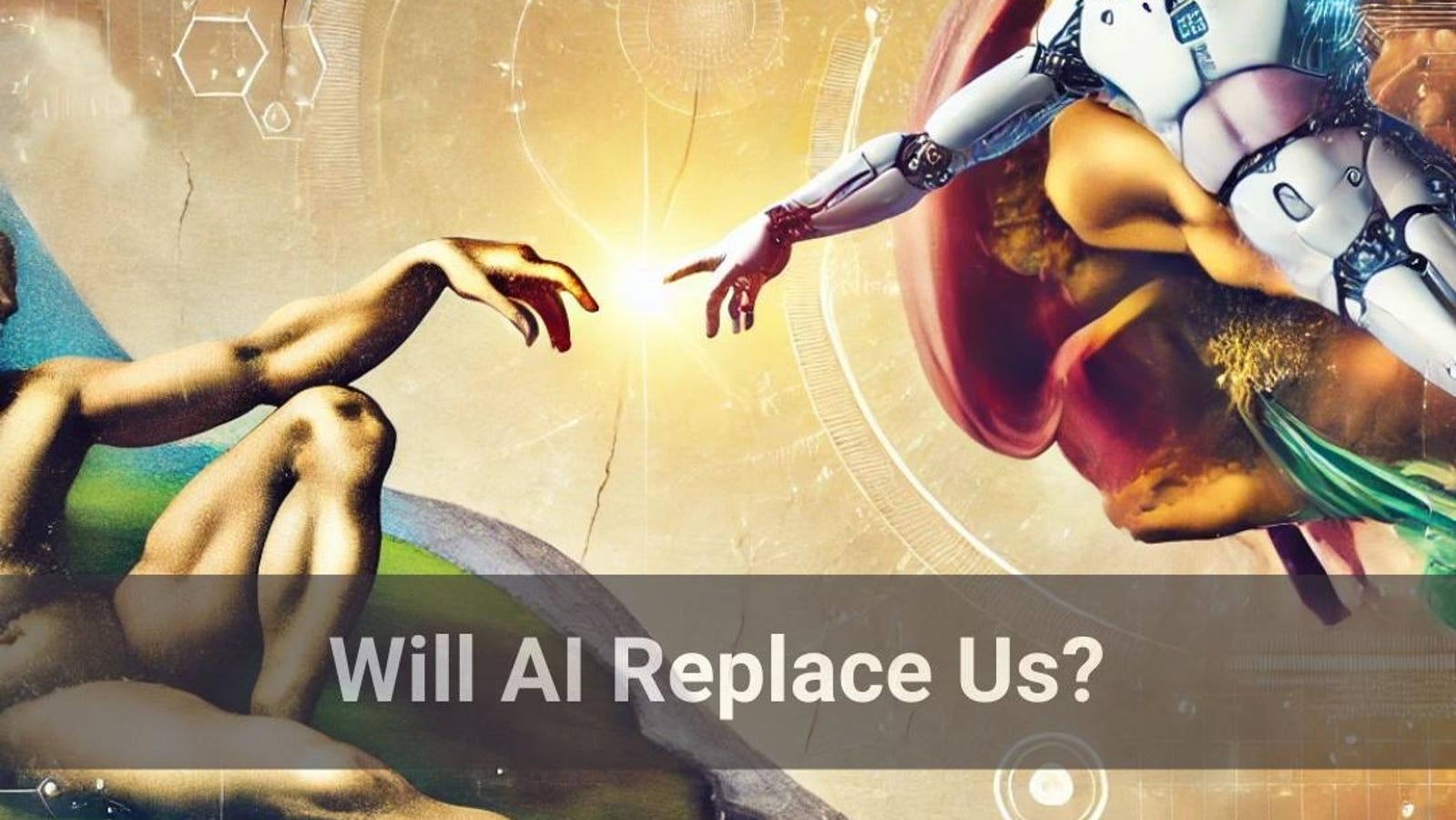
The rise of AI has sparked concerns about job loss, particularly among knowledge workers. However, rather than replacing these workers, AI is enhancing their capabilities. By automating repetitive tasks, AI allows professionals to focus on more complex and valuable responsibilities. This shift is leading to greater efficiency and ultimately creating new job opportunities. The narrative that AI will reduce employment overlooks the potential for job creation and the evolution of roles in various sectors.
Key Insights on AI’s Impact
- In the legal field, AI tools like OCR have made document handling faster and cheaper, increasing the demand for lawyers.
- The telecommunications sector saw job losses in switchboard operations, but this led to the growth of new industries and job opportunities.
- In education, AI clones can serve as 24/7 teaching assistants, enhancing learning experiences without replacing the need for human educators.
- In healthcare, AI is shifting the focus from memorization to critical thinking, allowing doctors to engage more with patients.
Embracing Evolution
AI is not a threat but a catalyst for change. It encourages knowledge workers to evolve and adapt, enhancing their roles rather than diminishing them. As AI continues to integrate into various industries, it is crucial to support workers in acquiring new skills. This adaptation will ensure that society can harness the benefits of AI while maintaining the human touch that machines cannot replicate. The future of work is about collaboration between humans and AI, leading to a more innovative and efficient workforce.





