
Overview of AI in Cancer Prevention
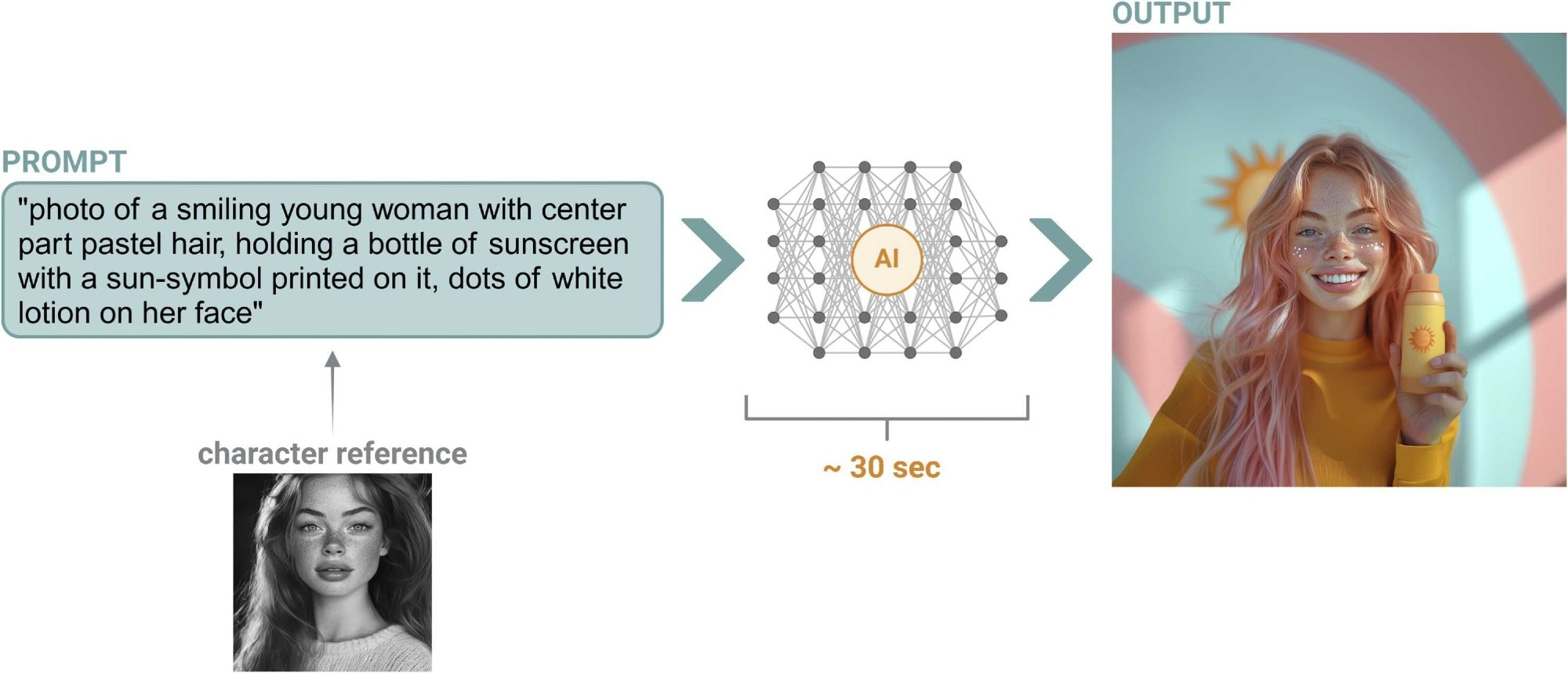
Researchers have investigated how AI-driven social media influencers can effectively spread cancer prevention messages. With cancer being a leading cause of death globally, promoting awareness about preventable risks is crucial. Traditional methods of outreach are losing effectiveness, especially with younger audiences who prefer digital engagement. The study highlights the potential of AI influencers to fill this gap and deliver important health messages in a cost-effective manner.
Key Findings
- A virtual influencer named “Wanda” was created using Midjourney, focusing on five cancer risk factors: tobacco, unhealthy diet, sun exposure, HPV, and alcohol.
- The campaign ran for five days, using both automated and targeted advertising strategies, costing €100 in total.
- The targeted approach was more successful for reaching younger audiences, while the automated method was better for older demographics.
- Posts on HPV generated the most engagement, indicating strong public interest in this topic.
Importance of the Study
The findings suggest that AI-generated influencers can be powerful tools for public health messaging, reaching nearly 10,000 users with a modest budget. Tailoring content to specific demographic groups enhances engagement and relevance. However, challenges remain, such as building trust in AI influencers and ensuring long-term user engagement. This research opens the door for future studies to explore interactive elements that could strengthen connections between audiences and AI influencers, making health communication more effective.





