Understanding the Future of Agriculture
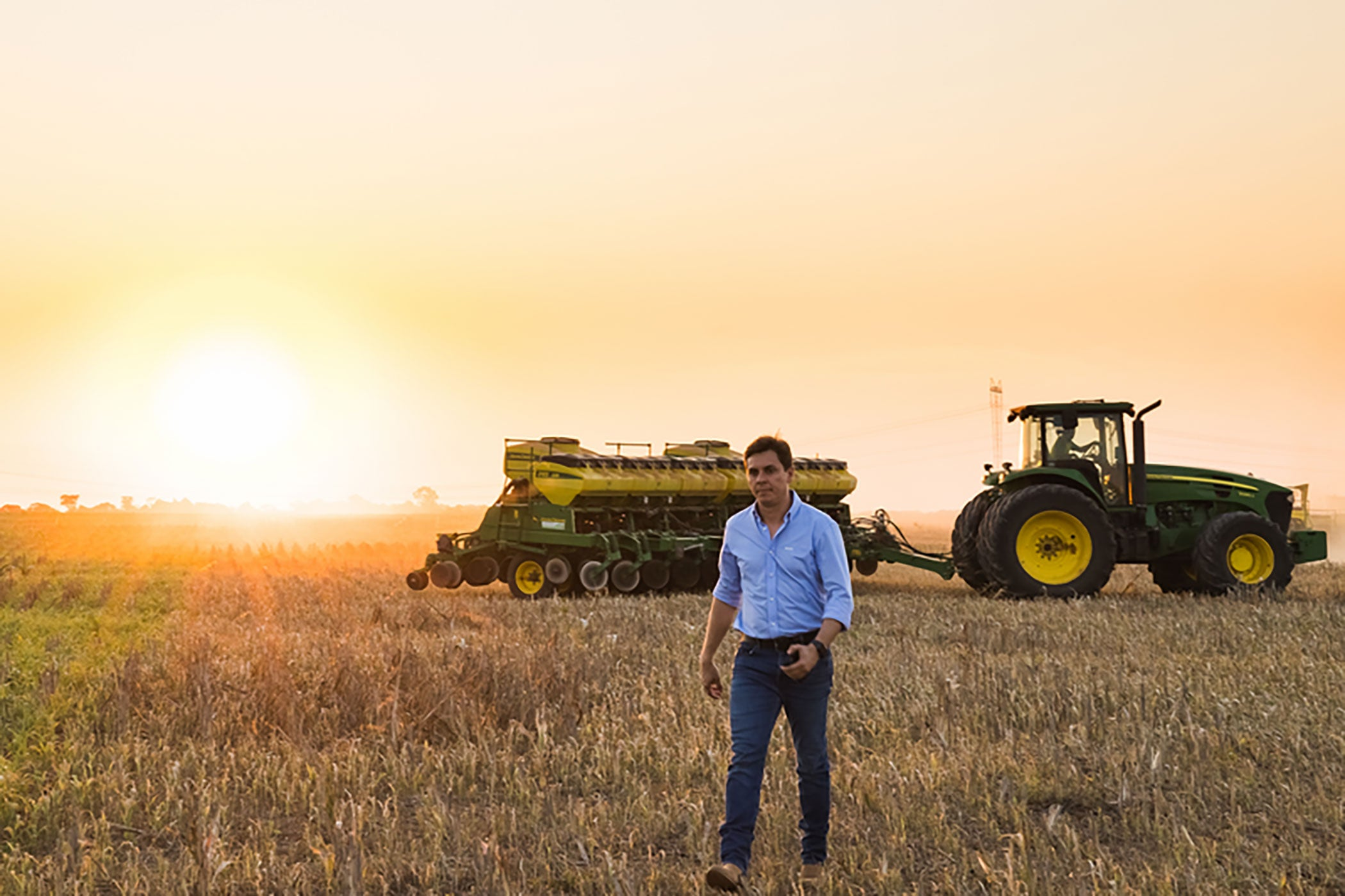
The discussion at the World Economic Forum highlighted five major trends in artificial intelligence that could transform agriculture by 2025. Jeff Rowe, CEO of Syngenta Group, emphasized how AI and digital tools are set to revolutionize farming practices. The integration of advanced technologies promises to enhance sustainable practices and improve crop management from research to field applications.
Key Insights:
- AI is used in research and development to discover new active ingredients for agricultural products.
- AI-driven systems monitor soil health and create detailed nutrient maps for farmers.
- Digital tools powered by AI serve as advisors for farmers, helping them with optimal crop management.
- Precision agriculture uses AI to target pest management effectively, focusing resources where needed.
- Supply chain management benefits from AI through better demand forecasting and waste reduction.
Why This Matters
The rapid growth of the AgriTech market indicates a significant shift in how agriculture operates. With the global AgriTech market projected to grow substantially, the economic potential of AI in agriculture is immense. By 2028, the market for AI in agriculture could reach $4.7 billion. This transformation is crucial for enhancing food security and addressing climate change challenges. Collaboration among various stakeholders is vital to ensure farmers can access these technologies, ultimately leading to a more resilient and sustainable food system.