
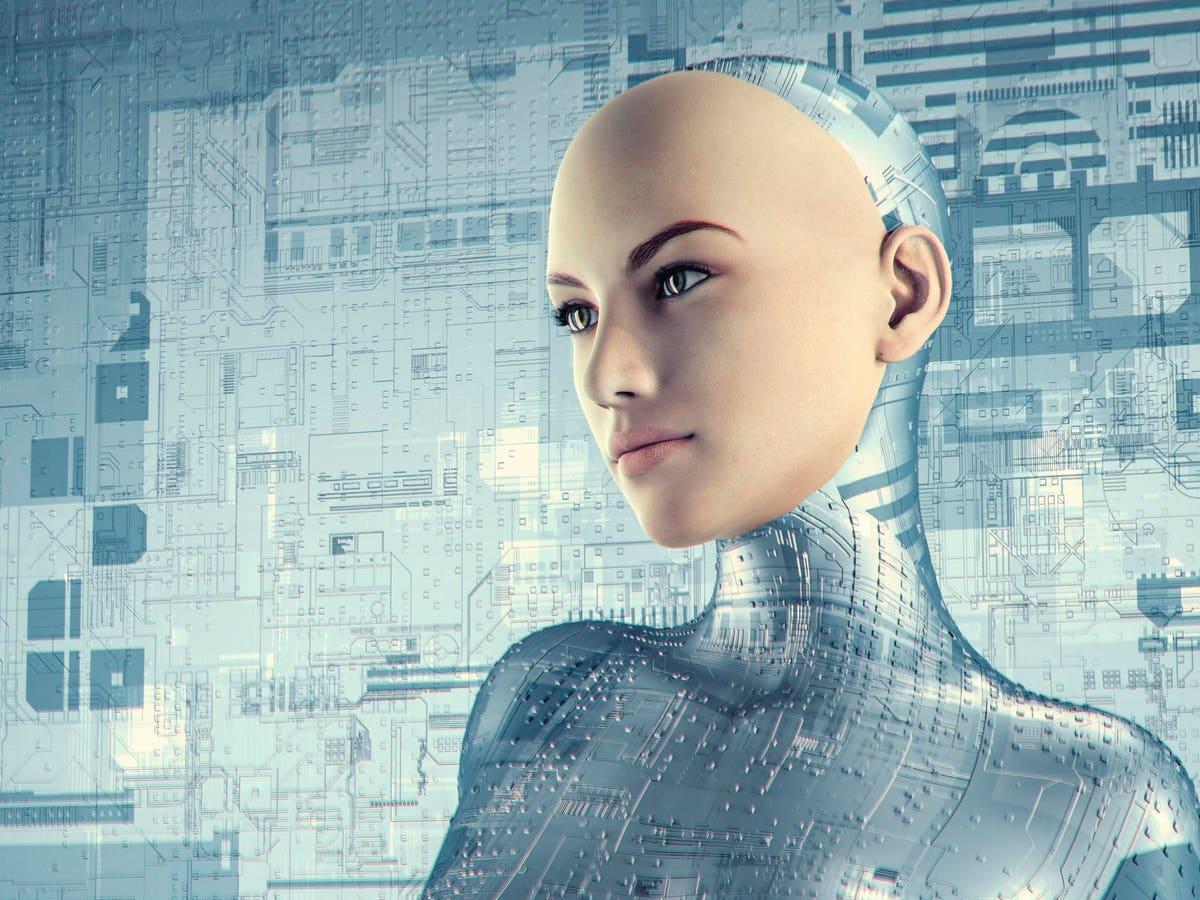
Understanding Physical AI
Physical AI, also known as Generative Physical AI, marks a significant advancement in artificial intelligence. It focuses on training AI to understand and interact with the physical world. This new trend combines generative AI, which creates content based on data patterns, with the ability to operate within the tangible environment. The aim is to enhance the usefulness of AI across various devices like robots, autonomous vehicles, and other machines that require physical interaction.
Key Insights:
- Physical AI is about teaching AI to navigate and manipulate the real world effectively.
- Generative AI currently relies on text-based data, lacking real-world experiences.
- The need for AI to learn through physical interaction is critical for safe and effective operation.
- Researchers are exploring how to integrate generative AI with physical capabilities to improve outcomes.
The Importance of Physical AI
The development of Physical AI is crucial as it prepares machines to work alongside humans in everyday environments. This integration raises concerns about safety and reliability, especially when AI lacks direct experience in physical interactions. As AI becomes more embedded in our lives, understanding its limitations and ensuring it operates safely is paramount. The future of AI lies in its ability to embody physical intelligence, enabling it to learn from real-world experiences rather than just textual data. This evolution will shape how we interact with technology and ensure a safer coexistence with AI-driven machines.





