Understanding the Intersection of Human and Artificial Intelligence
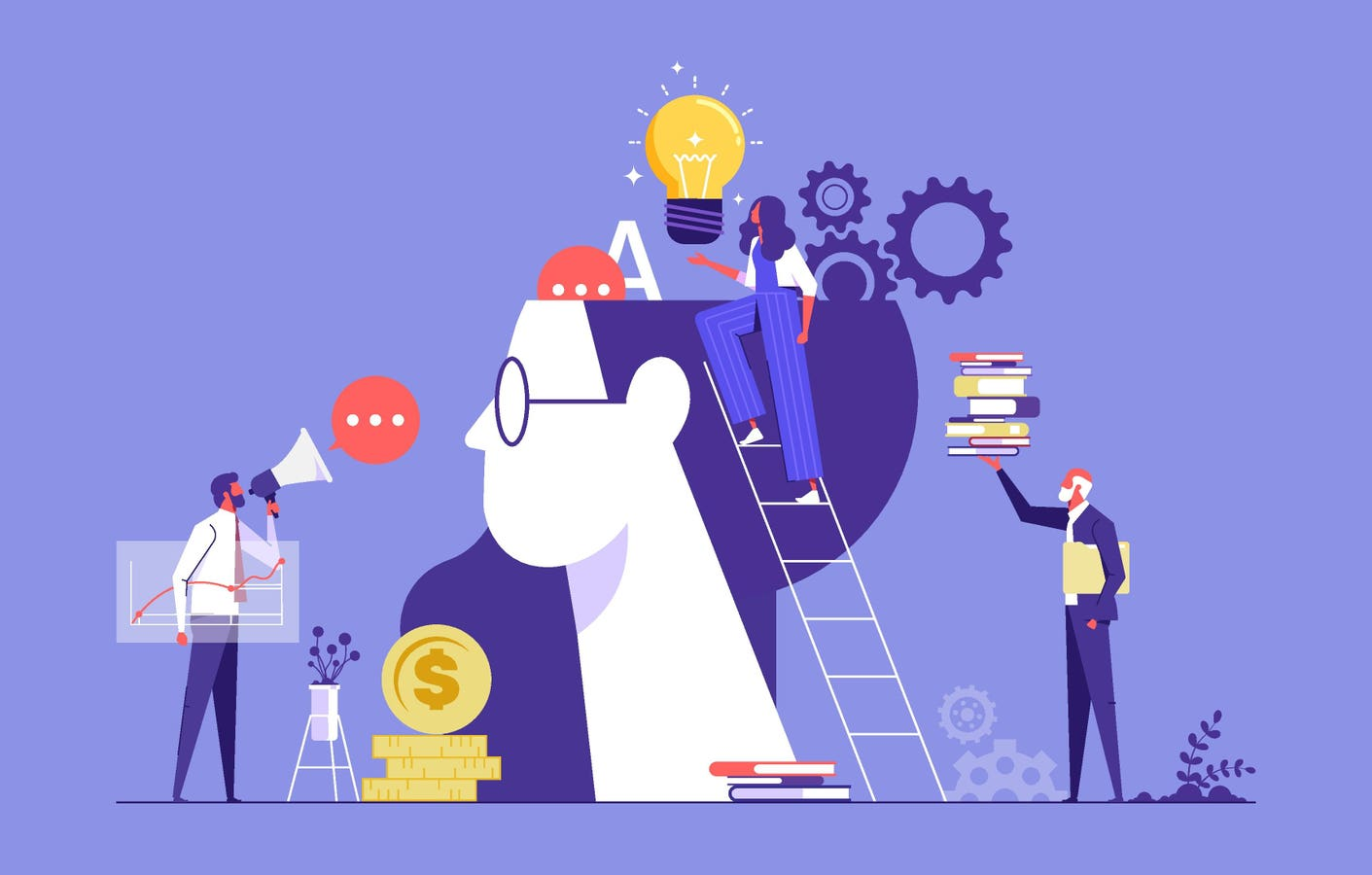
The relationship between artificial intelligence (AI) and natural intelligence is crucial for the future. AI reflects the values and biases of its creators, making it essential for humans to cultivate their own intelligence to ensure AI serves the greater good. This article emphasizes the importance of aligning AI development with human values, aspirations, and emotional intelligence. It argues that education plays a key role in fostering a balanced understanding of both natural and artificial intelligences.
Key Points to Consider
- AI mirrors human values, meaning that if we prioritize profit over ethics, AI will reflect that.
- Emotions like empathy and compassion are vital for creating effective AI applications, especially in sensitive areas like education and healthcare.
- Education should focus on both natural intelligence and algorithmic literacy to prepare individuals for a technology-driven world.
- Maintaining human agency is essential; people must critically evaluate AI outputs and retain control over decision-making processes.
The Bigger Picture: Why This Matters
Integrating natural intelligence into AI development is more than a technical challenge; it’s a matter of ethical responsibility. As AI continues to shape our lives, ensuring that it reflects our highest values can help address social inequities and environmental challenges. By prioritizing education that fosters both types of intelligence, society can empower individuals to shape technology rather than be shaped by it. This approach is vital for creating a future where technology serves humanity and enhances our collective well-being.