
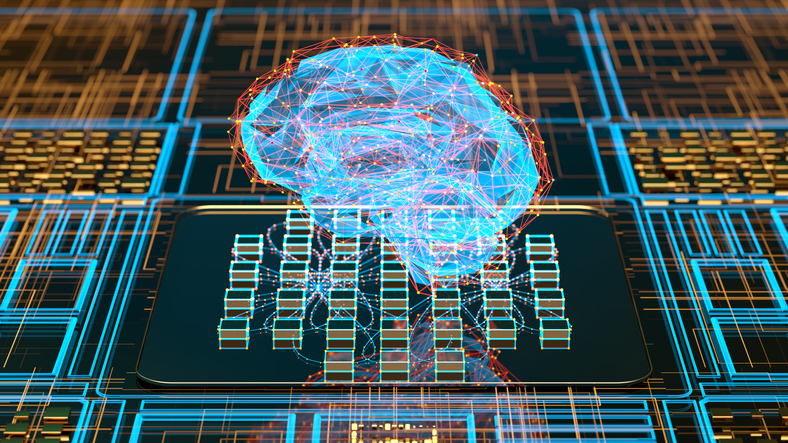
Exploring Neuromorphic Computing’s Potential
An international team of 23 researchers has published a significant review on neuromorphic computing, highlighting its future and the need for larger, more efficient systems. Neuromorphic computing mimics brain functions to enhance computing efficiency, particularly in energy use and performance. As AI’s energy consumption is expected to double by 2026, this technology presents a viable solution to these challenges. The study, titled “Neuromorphic Computing at Scale,” emphasizes the need for scalable architectures to tackle complex real-world problems.
Key Insights and Developments
- Neuromorphic systems are at a crucial juncture, with Intel’s Hala Point containing 1.15 billion neurons, yet they need to scale further.
- The team advocates for user-friendly programming languages to make the field more accessible and encourage interdisciplinary collaboration.
- A collaborative research network called THOR has been initiated to provide access to neuromorphic hardware and tools, enhancing research opportunities.
- Key features like sparsity, observed in biological brains, must be optimized for better energy efficiency and compactness in neuromorphic systems.
Significance of Advancements
The advancements in neuromorphic computing are vital as they could revolutionize AI applications, addressing the growing energy demands of large models. The collaboration between industry and academia is essential for innovation in this field. As neuromorphic technology reaches a pivotal moment, it holds the potential to become mainstream, transforming various sectors like healthcare and robotics. This research not only charts a course for future developments but also emphasizes the importance of a robust ecosystem to support growth in neuromorphic computing.





