
Understanding the Landscape of AI Regulation
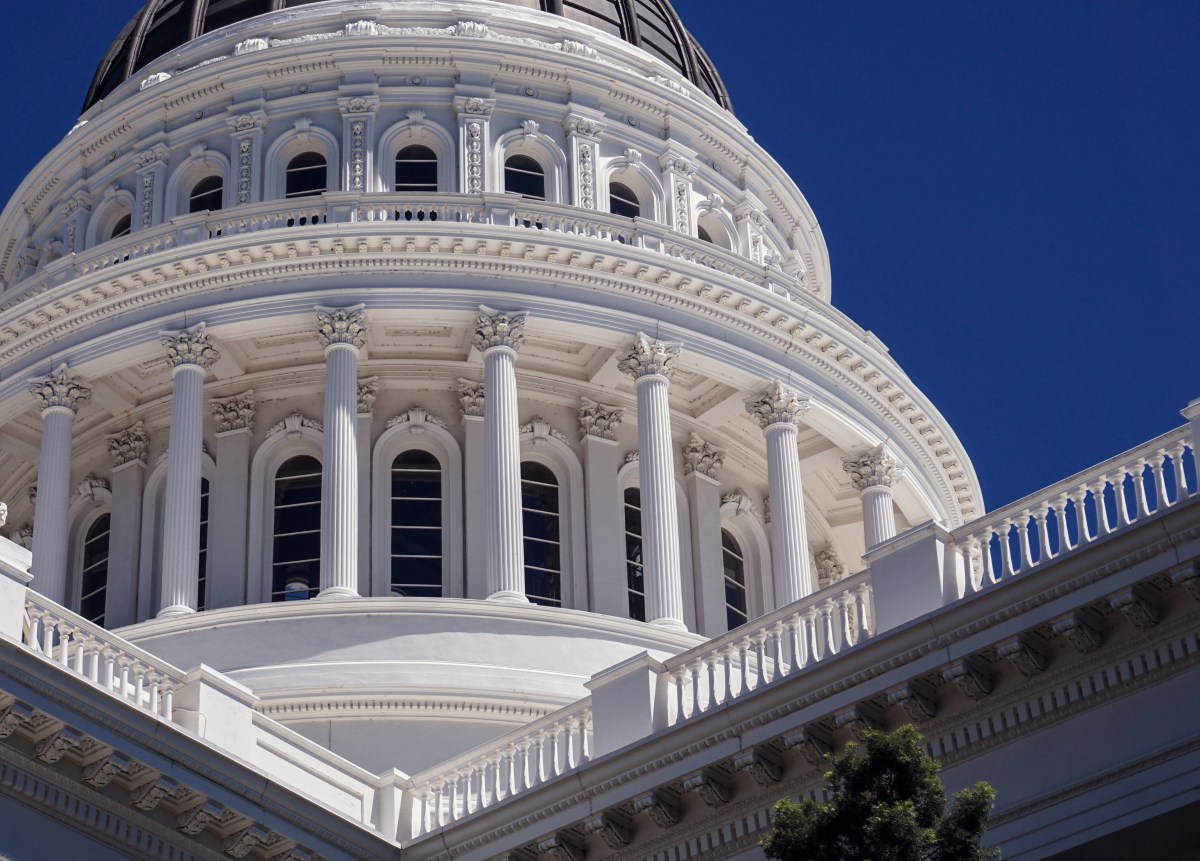
The discussion revolves around the evolving landscape of artificial intelligence (AI) regulations, particularly in the United States. California has emerged as a leader, with Governor Gavin Newsom signing numerous AI laws while also vetoing significant legislation. Mark Weatherford, a key figure in cybersecurity and AI policy, emphasizes the need for informed decision-making among lawmakers. He believes that while progress is being made, the rapid pace of AI development presents challenges for regulatory timelines, requiring continuous education for legislators.
Key Insights
- California has enacted 18 new AI laws in recent months, showcasing its proactive approach.
- Weatherford anticipates that states will take the lead in AI regulation, with over 400 bills introduced across the U.S. in the last year.
- Harmonization of regulations is a pressing concern, as companies struggle to comply with varying state laws.
- The future of AI regulation may involve balancing innovation with necessary safety measures and privacy protections.
The Bigger Picture
The conversation on AI regulation is critical as it shapes the future of technology and society. As AI continues to evolve rapidly, effective regulation is essential to ensure safety and privacy without stifling innovation. The focus on state-level regulation could lead to more tailored and effective laws, but the challenge remains in achieving a cohesive framework that benefits all stakeholders. The outcome of this regulatory landscape will significantly impact how AI is developed and utilized, highlighting the importance of collaboration between lawmakers, the tech industry, and the public.





