Overview of the Situation
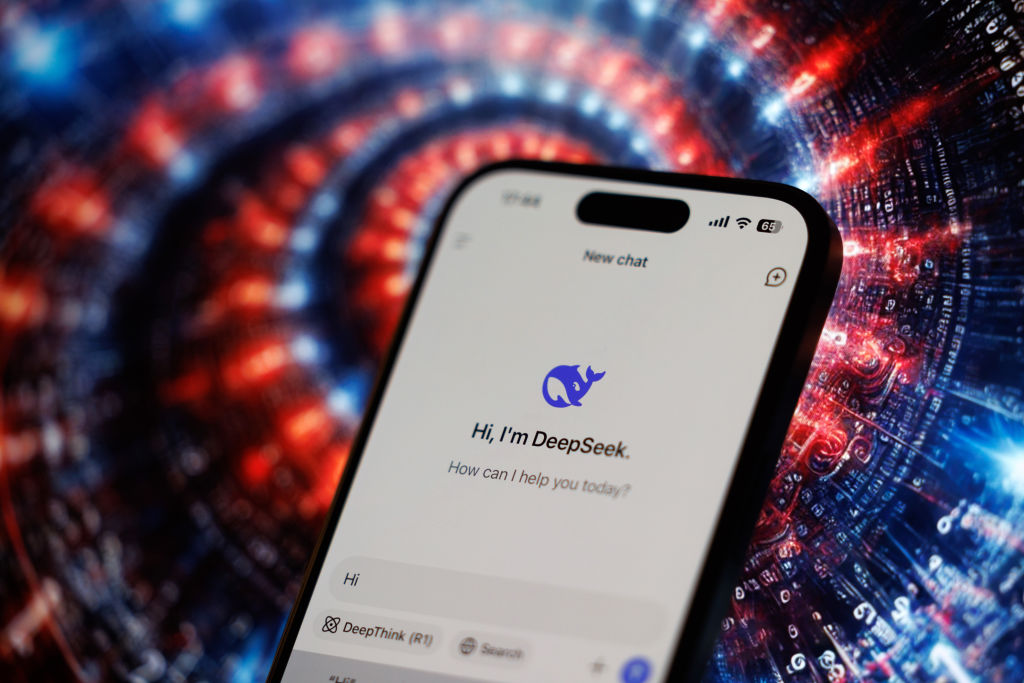
DeepSeek, a Chinese AI lab, has stirred significant concern in Silicon Valley with the release of its open AI models that rival those developed by major players like OpenAI, Meta, and Google. The lab claims to have created these models quickly and efficiently, offering them at much lower prices than their American counterparts. This development has raised alarms among tech giants and U.S. government officials, who fear that China is gaining an edge in the ongoing AI arms race.
Key Details
- DeepSeek’s model, R1, utilizes a method called “pure reinforcement learning,” allowing the AI to learn from trial and error.
- R1 matches or exceeds the performance of OpenAI’s o1 on several benchmarks, showcasing the rapid progress of DeepSeek.
- The success of DeepSeek’s models may prompt the U.S. to increase investment in open-source AI to maintain competitiveness against China.
- Concerns about DeepSeek’s methods, including claims of IP theft from OpenAI, have emerged, questioning the legitimacy of their achievements.
Significance of the Developments
The rise of DeepSeek represents a pivotal moment for AI policy and technological competition. It highlights the need for the U.S. to rethink its regulatory approach to foster innovation rather than stifle it. With influential voices in Silicon Valley, including venture capitalists and former tech leaders, calling for increased investment in open AI, the landscape of AI development is shifting. As AI capabilities continue to evolve rapidly, the implications for global competitiveness and national security become increasingly critical.