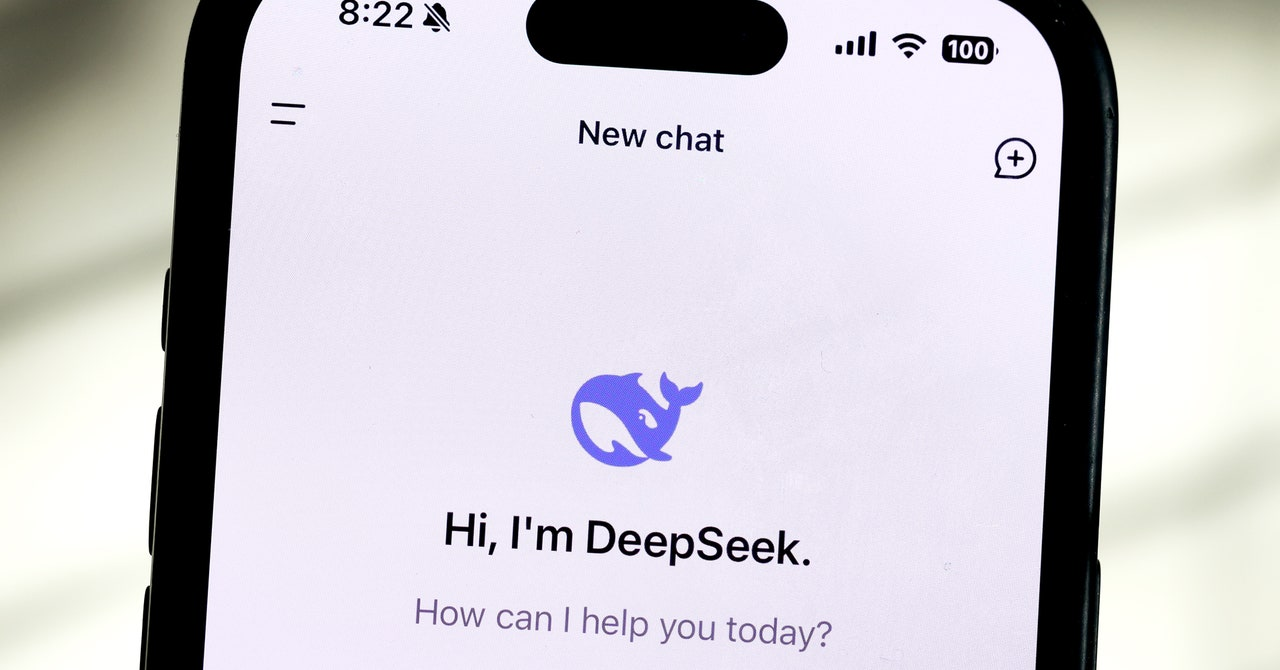
Understanding the Landscape of DeepSeek R1
DeepSeek, a Chinese startup, has quickly gained attention for its open-source AI model, DeepSeek R1. While it showcases strong capabilities in math and reasoning, it is marred by strict censorship of sensitive topics, such as Taiwan and Tiananmen. This censorship is not only a legal requirement in China, but also a significant factor that shapes how the model interacts with users. Recent tests reveal that while some censorship can be bypassed, deeper biases exist within the model that complicate efforts to modify it.
Key Insights on DeepSeek R1
- DeepSeek R1’s censorship is primarily enforced through its own app and channels, limiting user access to sensitive information.
- Chinese regulations mandate that AI models must avoid content that threatens national unity or social harmony, leading to real-time monitoring of outputs.
- Users can download and run DeepSeek R1 locally to bypass certain censorship, although this requires advanced computing power for the full model.
- The model’s self-censorship can result in abrupt changes in responses, leaving users with incomplete or vague information.
The Bigger Picture of AI Development
The implications of DeepSeek’s censorship extend beyond the model itself. If researchers can easily modify the model to remove censorship, it could enhance the appeal of Chinese open-source AI globally. Conversely, if the filters remain difficult to navigate, DeepSeek may struggle to compete with other international AI models. This situation raises critical questions about the balance between innovation and compliance in AI development, especially in a highly regulated environment like China.