Overview of OpenAI’s Ambitions
OpenAI’s recent trademark application to the U.S. Patent and Trademark Office suggests exciting new product developments. While filing for trademarks is common, this particular application indicates that OpenAI may be venturing into hardware and robotics. The company is exploring various innovative products that could reshape consumer technology.
Key Details
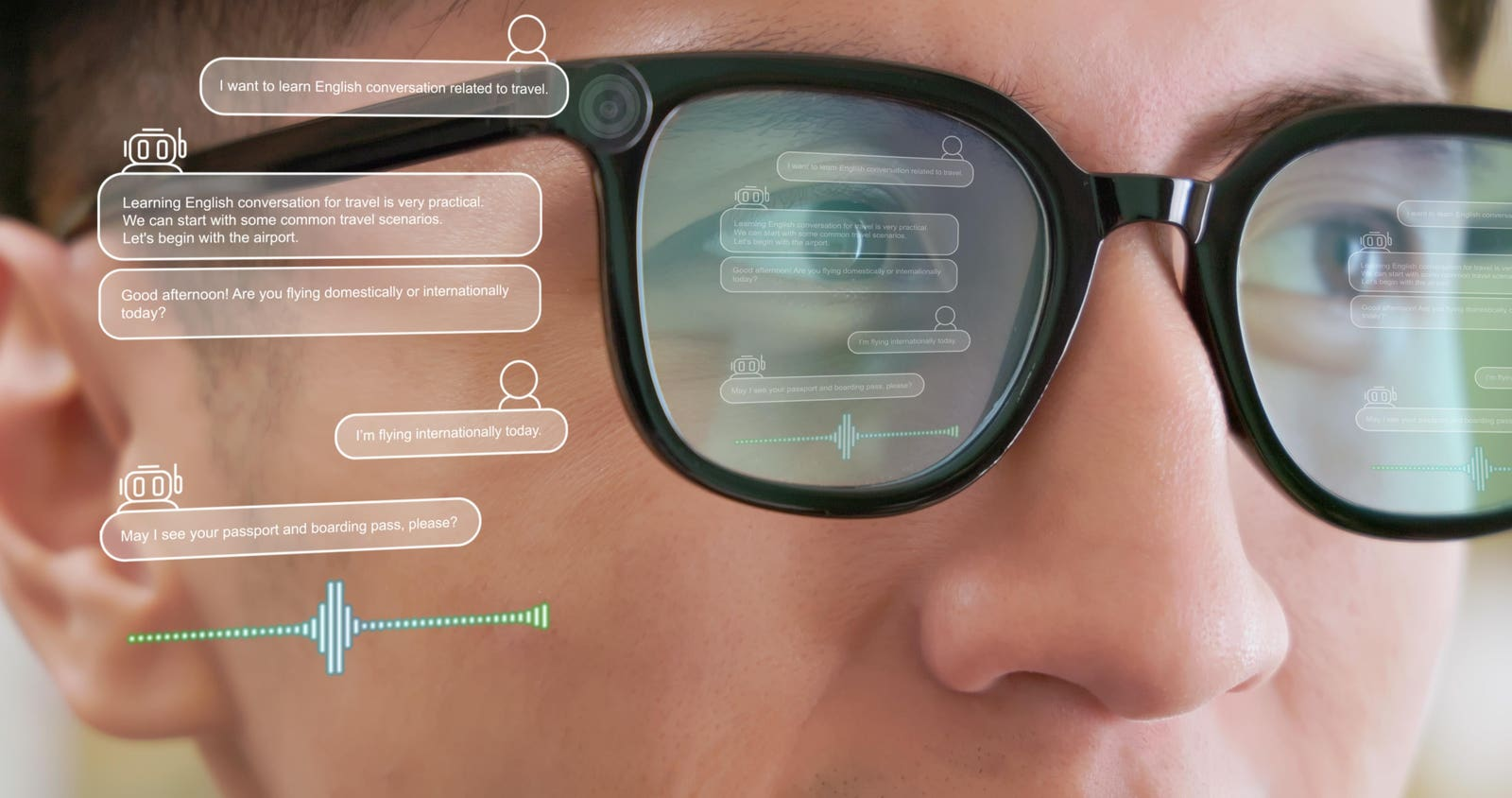
- OpenAI’s application includes a range of hardware such as headphones, smartwatches, and augmented reality headsets aimed at enhancing AI interactions.
- CEO Sam Altman mentioned ongoing collaborations with multiple companies to develop AI-powered consumer hardware, though prototypes may take years to finalize.
- The application also refers to humanoid robots designed for user programming and interactive functions, highlighting OpenAI’s interest in robotics.
- Plans for custom AI chips and potential quantum computing projects suggest a focus on optimizing AI model performance, with partnerships aimed for product launches by 2026.
Significance of the Developments
These developments signal OpenAI’s intent to expand beyond software into tangible products that leverage AI technology. The exploration of custom chips and quantum computing could lead to breakthroughs in AI efficiency, addressing rising computing costs. While the trademark filing may not guarantee immediate product launches, it showcases OpenAI’s forward-thinking approach and its commitment to pushing the boundaries of technology.