
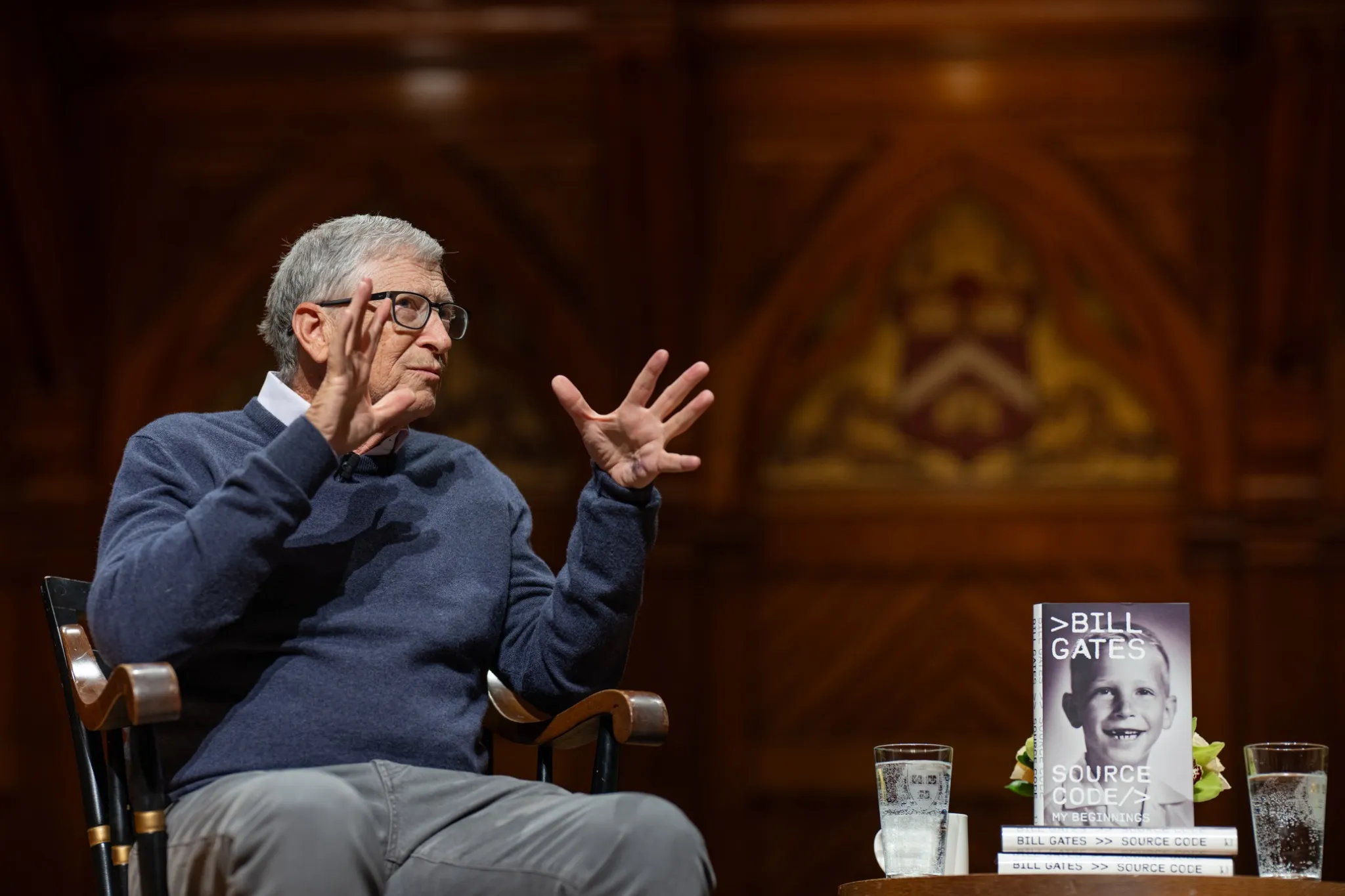
Exploring the Discussion
Bill Gates returned to Harvard to discuss his memoir and the future of technology, focusing on artificial intelligence (AI). He highlighted how AI represents a continuation of the digital revolution, building on earlier innovations in computing. Gates emphasized that while early computers enhanced human tasks, AI has the potential to replace them entirely. This shift raises important questions about access, ethics, and the impact of technology on society.
Key Takeaways
- Gates believes AI is an extension of the digital revolution, enabled by advancements in chips and the internet.
- He warned that while AI can democratize access to information, it could also reinforce false narratives and misinformation.
- In education, AI could personalize learning experiences, but it cannot replace the human connection vital for mentorship and guidance.
- Gates sees AI as a transformative force in healthcare, enhancing diagnostics and potentially providing better care in underserved regions.
Significance of AI’s Evolution
The implications of AI are profound. Gates argues that while AI can improve efficiency and equity in sectors like education and healthcare, it also poses risks. The focus should not only be on access but also on responsible use. As AI technology evolves, it will redefine human roles and relationships, making it crucial to navigate its development thoughtfully. The conversation reflects a broader concern about ensuring that technology serves humanity positively, rather than exacerbating existing inequalities.





