
Understanding the Landscape
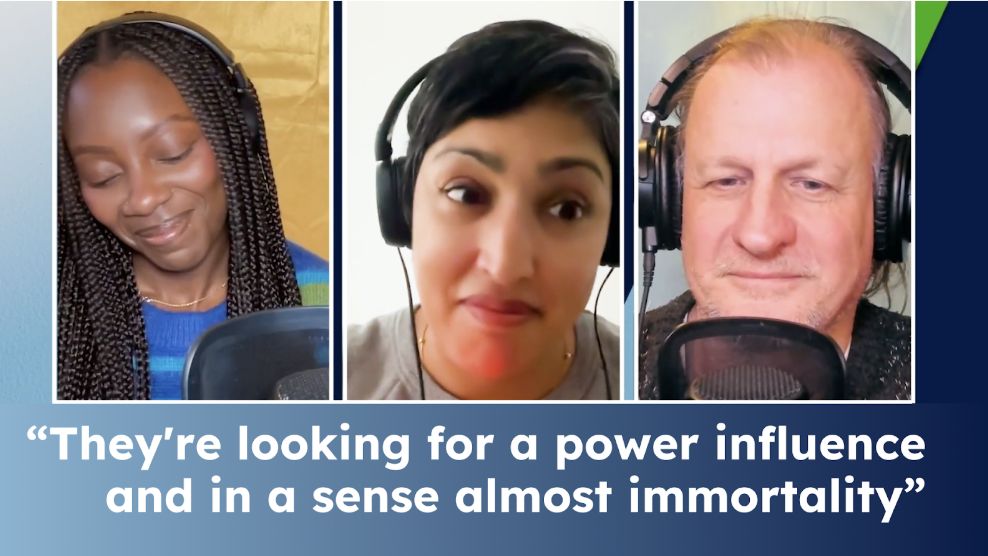
The rise of generative AI is reshaping political dynamics and influencing democratic processes. Greenpeace advocates for increased public participation in elections and budgeting to promote climate and social justice. Engaging citizens in transparent electoral processes can help empower communities and ensure that democracy serves the people effectively. Dr. Rumman Chowdhury, a data and social scientist, discusses how AI is changing perceptions of reality, particularly within the political realm. The manipulation of information through AI technology poses significant risks to the integrity of democracy.
Key Insights
- Generative AI is not just about creating deepfakes; it alters perceptions and amplifies existing political challenges.
- Social media has already contributed to polarization, and AI exacerbates this by creating filter bubbles.
- The erosion of trust in institutions and science is worsened by AI-generated content that blurs fact and opinion.
- Control over data is becoming a new form of power, influencing political narratives and elections.
The Bigger Picture
As we approach significant elections in 2025, the intersection of AI and politics will be crucial. Privacy concerns must be addressed, and regulations should reflect the fiduciary duties of professionals who handle sensitive information. Dr. Rumman suggests that AI could be a tool for positive change, provided that policies prioritize people and the planet over profit and power. Individual engagement in these processes is vital, as citizens can help shape a more equitable and just socio-economic system.





