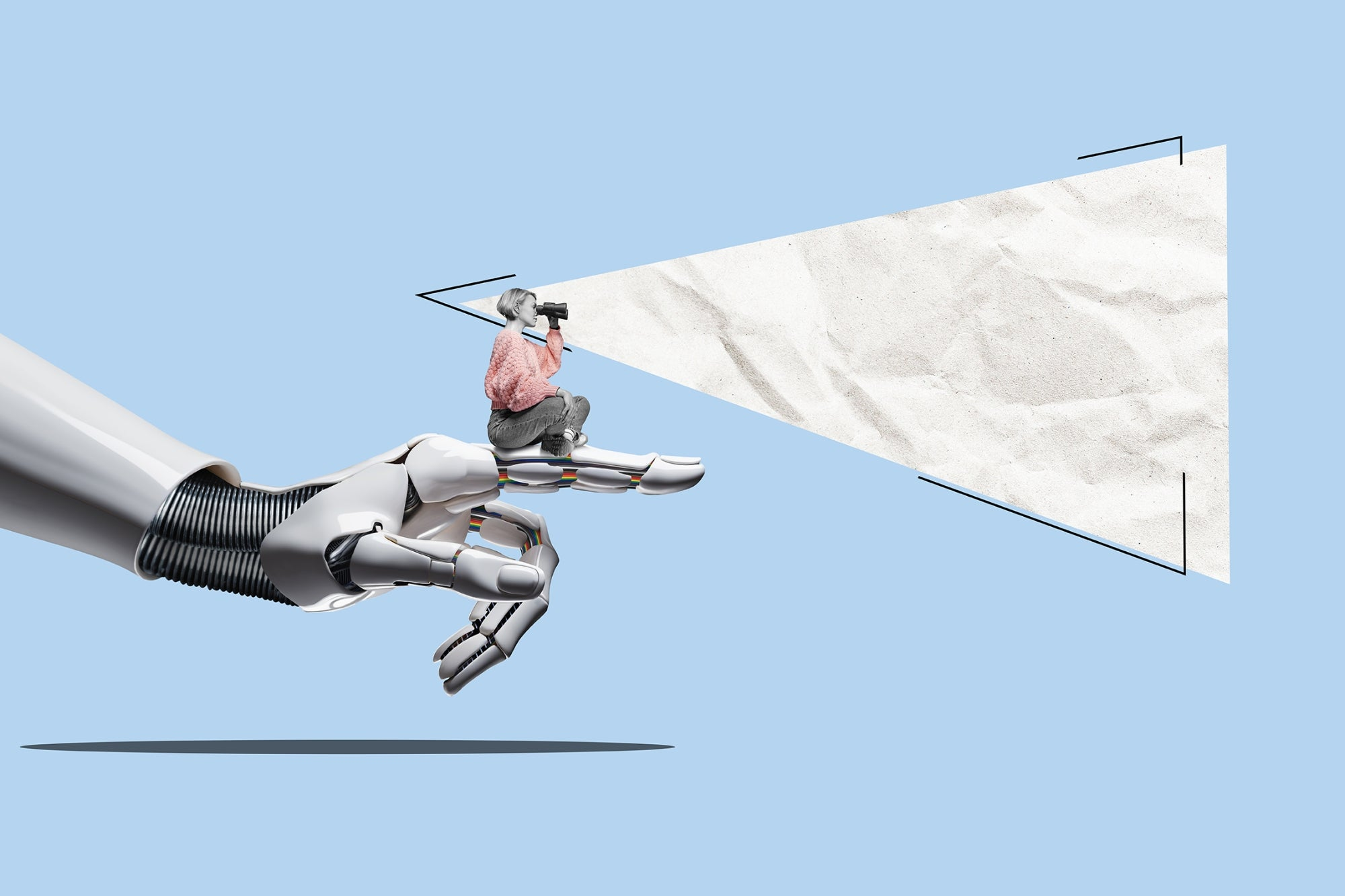
Understanding the Landscape of AI’s Impact
The rise of AI technology is reshaping various industries, including music, retail, and media. This shift raises important questions about how to balance the benefits of AI with its potential to replace human jobs. Companies are grappling with the ethical implications of AI, including issues of bias, privacy, and job displacement. As AI becomes more integrated into business processes, the need for regulation and oversight becomes critical.
Key Points to Consider
- The AI revolution is prompting concerns about job security, especially in fields like software development and legal research.
- Current regulatory efforts are lagging behind the rapid advancement of AI technology, leaving industries to self-regulate.
- Instances of fraud using AI, such as fake music artists inflating stream counts, highlight the vulnerabilities in the system.
- The music industry is an example of how past technological disruptions led to regulatory changes, but AI’s evolution may require new approaches to governance.
Why This Matters
The conversation around AI is not just about technology; it’s about the future of work and human creativity. As businesses rush to adopt AI for efficiency, they risk losing the human touch that is essential for genuine connection and innovation. A balanced approach is necessary to ensure that while AI can enhance productivity, it does not come at the cost of human jobs and ethical standards. By learning from past technological transitions, industries and regulators can work towards creating a framework that supports both innovation and human-centric values.