Understanding the Impact of AI on Agriculture
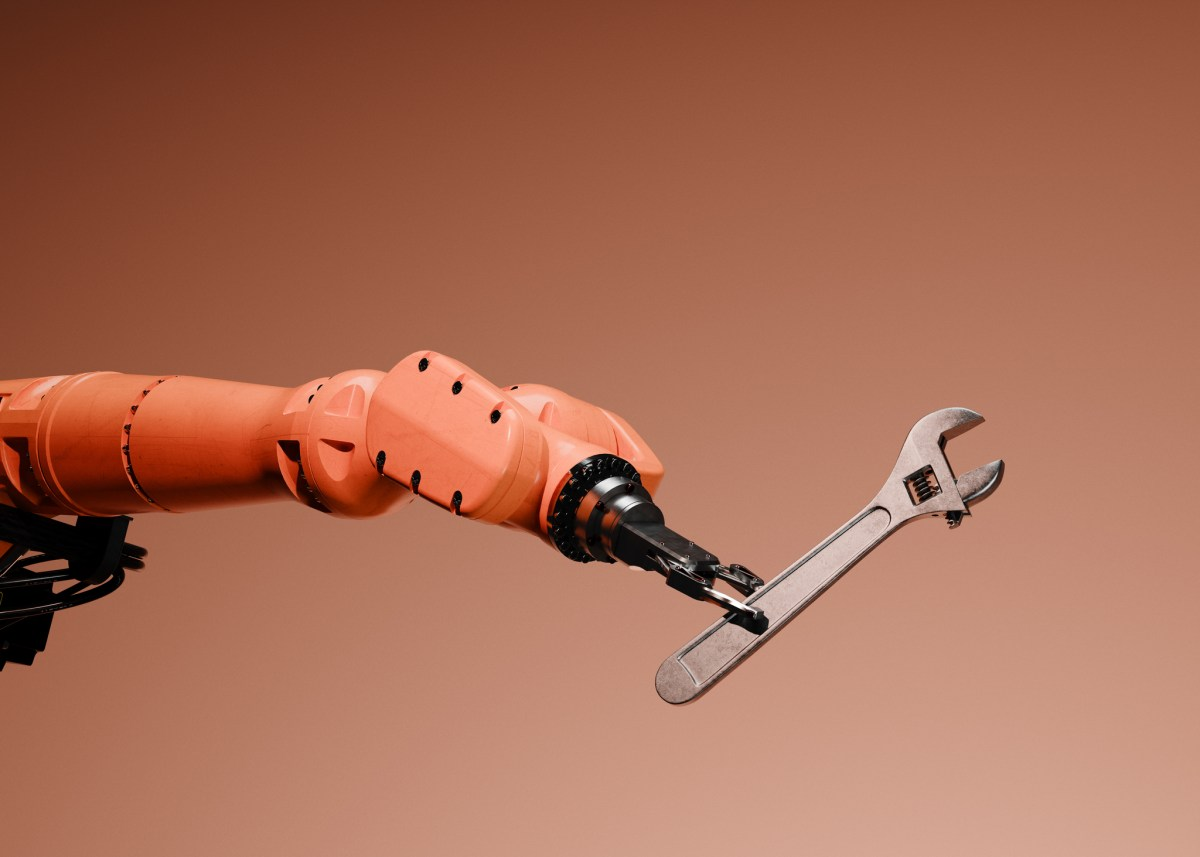
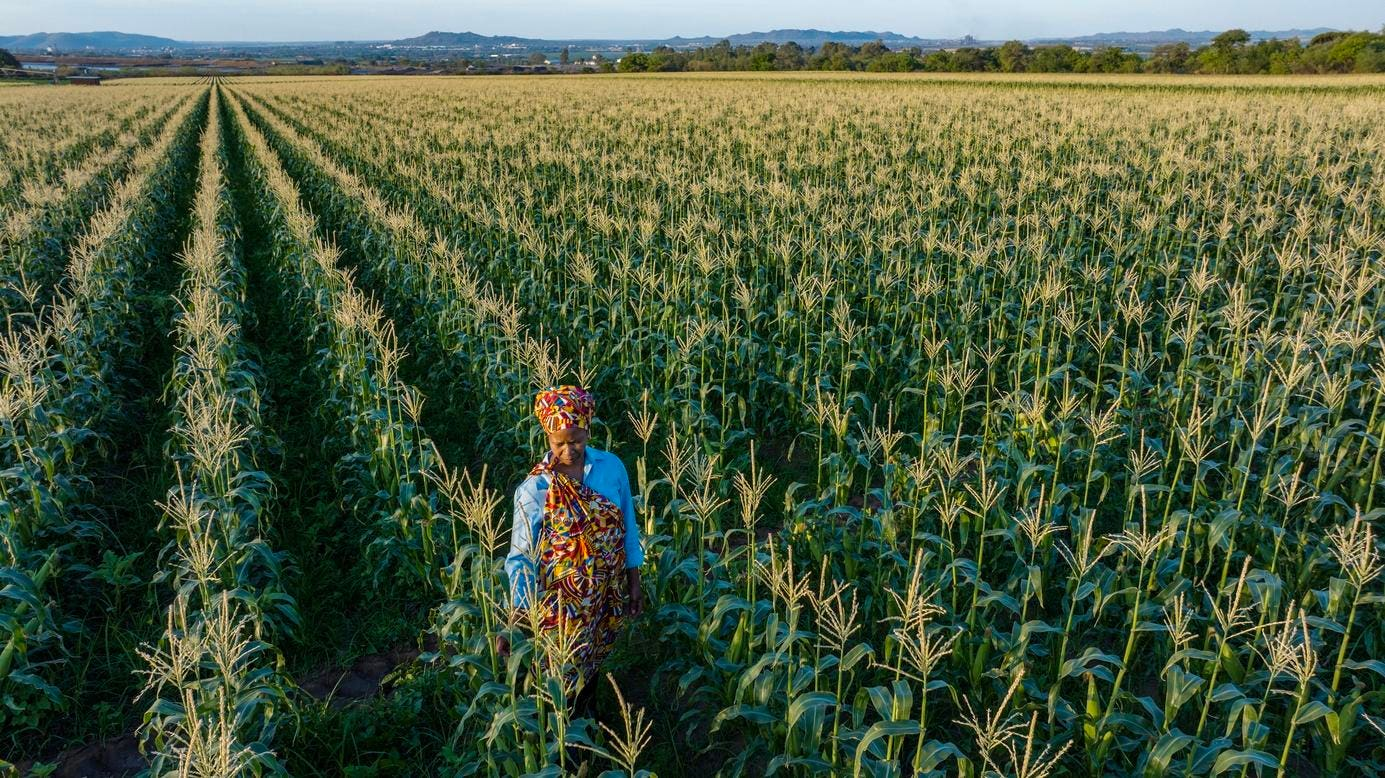
Artificial intelligence is making significant strides in agriculture, especially in Africa, where farmers face unique challenges. These include unpredictable weather, pests, diseases, and limited access to modern resources. With the help of AI, farmers can now utilize advanced technologies to improve crop management and food security. Innovations like drones, ground sensors, and automated harvesters are revolutionizing traditional farming methods. These tools not only enhance productivity but also provide precise diagnostics for crop diseases.
Key Highlights of AI in Agriculture
- AI technologies enable precision farming by using drones to identify crop diseases and ground sensors to analyze soil conditions.
- These advancements can communicate in local languages, making them accessible to farmers.
- AI applications can create job opportunities and address malnutrition by improving food quality.
- Unlike GMOs, AI-driven farming practices enhance crop management without altering the food itself, making it safer and more sustainable.
The Bigger Picture: Food Security and Environmental Sustainability
The integration of AI in agriculture is vital for addressing food insecurity and the impact of climate change in Africa. With better management practices, farmers can increase food production while reducing the need for harmful chemicals. This shift towards sustainable agriculture not only benefits local communities but also contributes to global food quality. As AI continues to evolve, it holds the promise of transforming agricultural practices, offering solutions that are both effective and environmentally friendly.