Overview of the Summit’s Focus
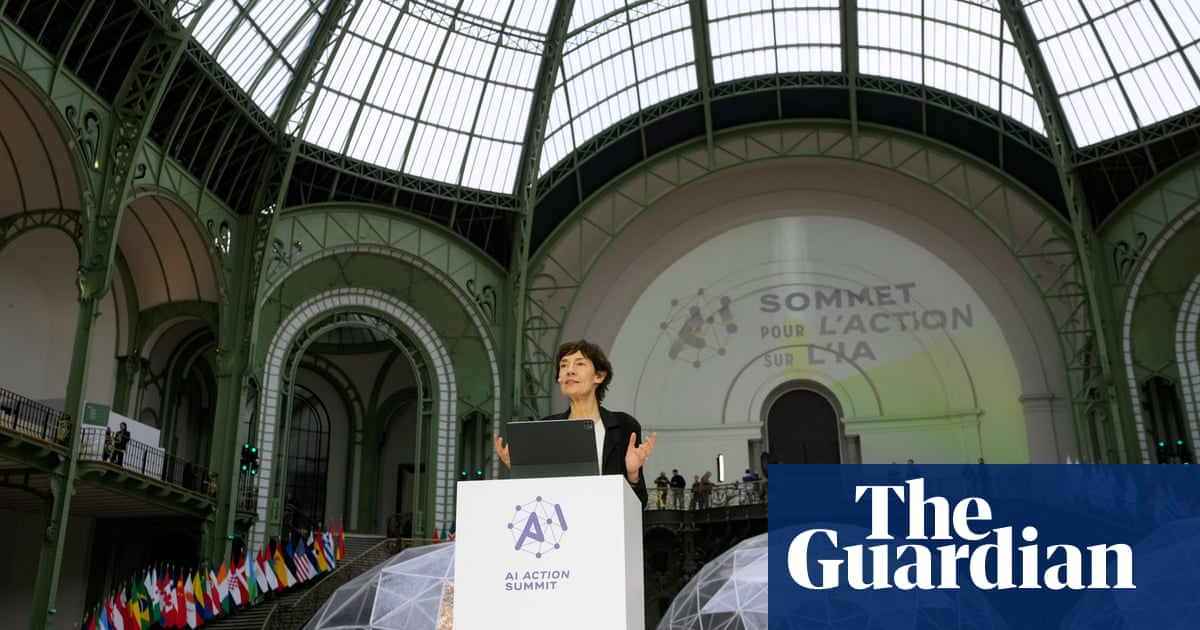
A global summit in Paris has brought together leaders and experts to discuss the impacts of artificial intelligence (AI) on the environment and social inequality. With a two-day agenda, the conference aims to address the urgent need for sustainable AI development. Anne Bouverot, Emmanuel Macron’s AI envoy, highlighted the environmental challenges posed by AI, emphasizing that while AI can help combat climate change, its current growth is not sustainable. The summit seeks to explore pathways for responsible AI usage.
Key Highlights from the Gathering
- Christy Hoffman from the UNI Global Union warned that AI could worsen inequality if workers are not included in decision-making.
- Max Tegmark expressed concerns about the rapid pace of AI development, comparing it to a scene from the film “Don’t Look Up,” where society ignores an impending disaster.
- The summit, co-chaired by Macron and India’s Prime Minister Modi, aims to foster global cooperation in AI governance.
- Experts like Demis Hassabis from Google predict that artificial general intelligence (AGI) could be achieved within five years, raising safety concerns that need to be addressed.
Significance of the Discussions
The discussions at the Paris summit are critical as they address the dual challenges of technological advancement and its potential risks. With AI’s rapid evolution, the need for ethical guidelines and worker involvement is paramount. The outcome of this summit could shape future policies that balance innovation with sustainability and social equity. As AI continues to influence various sectors, understanding its implications on both the environment and society will be vital for creating a just and sustainable future.