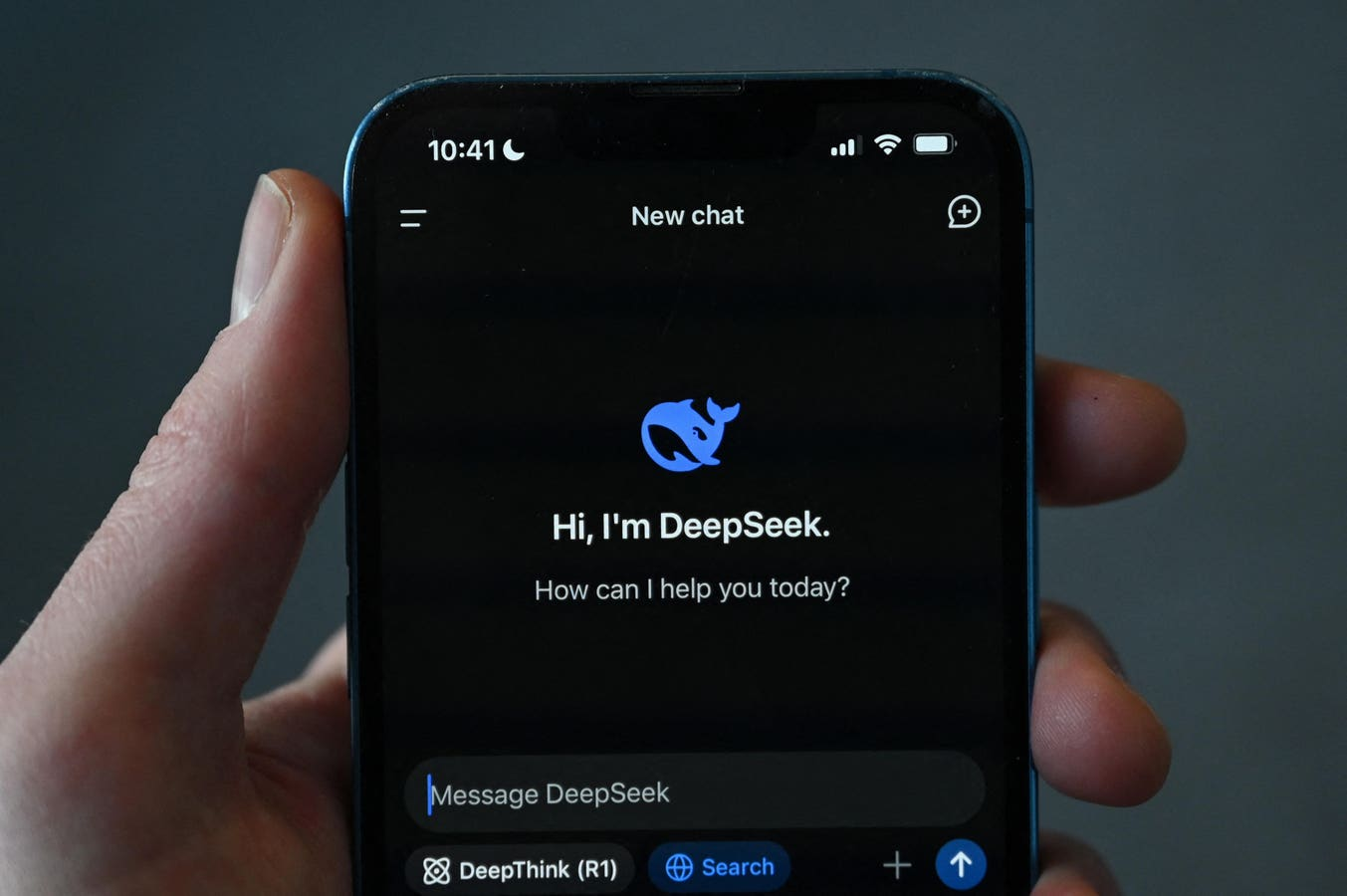
Exploring the latest showdown between two AI titans, ChatGPT and DeepSeek, reveals a compelling landscape of strengths and weaknesses. Both models have unique capabilities that cater to different needs, making them valuable tools for users. The recent launch of DeepSeek’s R1 model has captured attention, quickly becoming the most downloaded free app in the U.S. This article dives into a side-by-side comparison of their performance across various tasks, from writing and research to idea generation and coding.
- Writing: ChatGPT excels in creativity and nuanced content, while DeepSeek shines in technical writing. ChatGPT can adapt to a user’s voice, making it ideal for engaging narratives. In contrast, DeepSeek is more precise and effective for coding documentation and scientific texts.
- Research: ChatGPT is better for tasks requiring interpretation and subjective reasoning, as it synthesizes information creatively. DeepSeek, however, provides structured and organized responses, making it suitable for objective data and technical accuracy.
- Idea Generation: Both models are useful for brainstorming, with ChatGPT offering sophisticated ideas and DeepSeek providing more extensive and organized lists. DeepSeek’s structured approach may appeal to users needing clarity.
- Coding: DeepSeek’s open-source model is gaining traction among developers for its transparency and flexibility, positioning it as a strong competitor to established AI models.
Understanding these differences is crucial for users looking to leverage AI tools effectively. As new players enter the market, the competition will drive innovation, making AI more accessible and user-friendly.