Understanding the Challenge
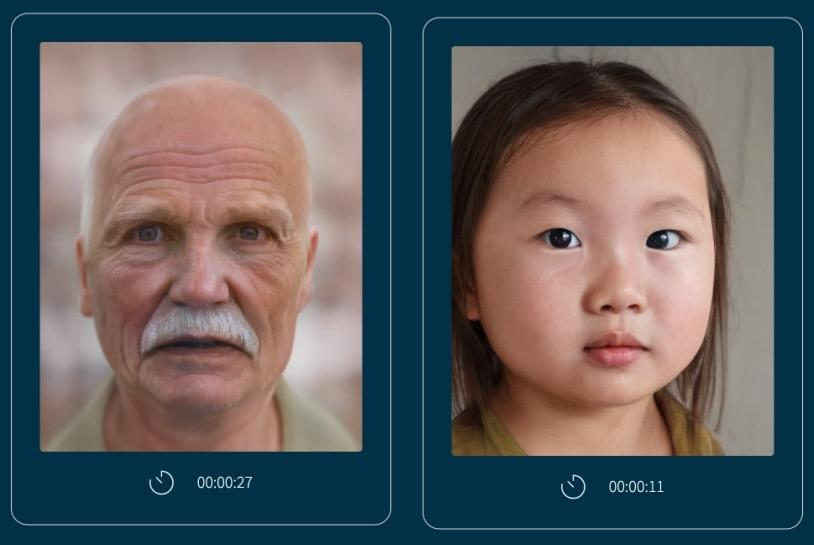
A new quiz from iProov tests your ability to identify real versus AI-generated images and videos. With deepfakes becoming more common, this tool aims to raise awareness about the difficulties many face in distinguishing between genuine content and deceptive media. A recent study found that most people struggle to identify deepfakes, with only a tiny fraction able to tell the difference.
Key Findings
- 2,000 consumers in the U.K. and U.S. participated in the study, revealing that only 0.1% could accurately identify deepfakes.
- Many people, especially seniors, are unaware of deepfakes, with 22% having never heard of them.
- Despite low detection rates, 60% of respondents felt confident in their ability to spot deepfakes.
- The prevalence of deepfakes raises concerns about misinformation and potential misuse, especially in political contexts.
The Bigger Picture
The rise of deepfakes poses significant risks to personal security and public trust. As generative AI tools become more accessible, the potential for misuse increases. This situation is particularly alarming for vulnerable groups, such as the elderly, who may fall victim to scams. The findings emphasize the need for better education on digital literacy and the importance of robust security measures to protect consumers from deception. Awareness and critical thinking are essential in navigating an increasingly complex digital landscape.