Understanding Hybrid Intelligence for Inclusion
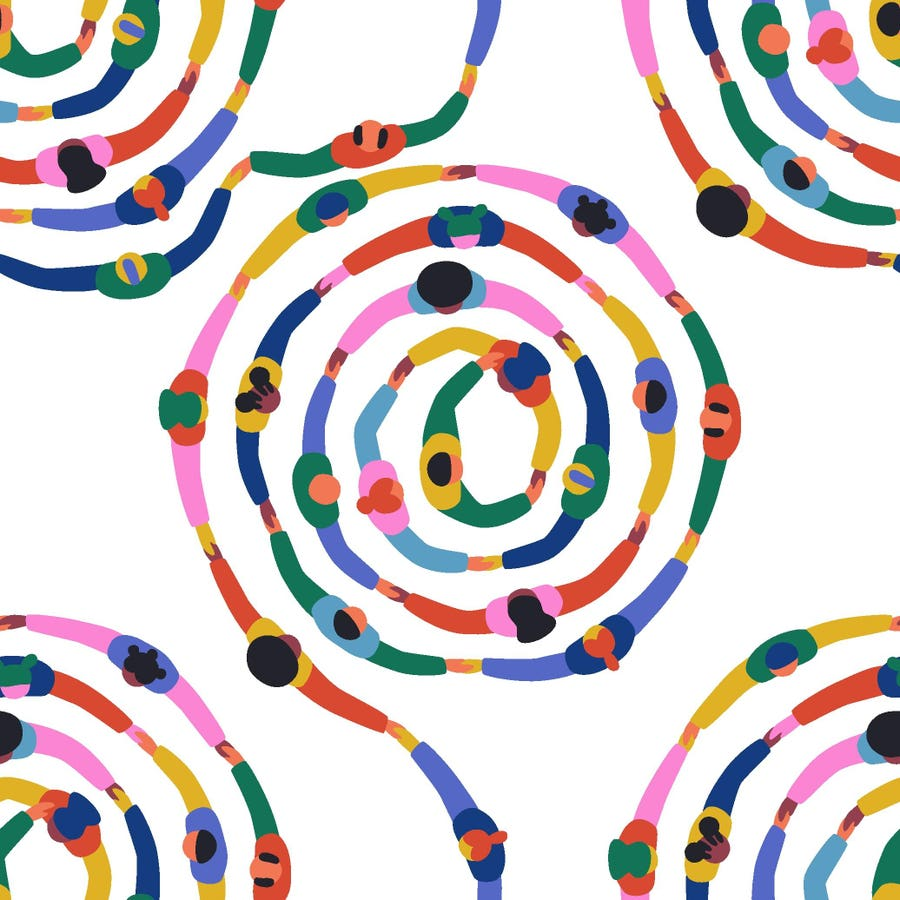
The concept of hybrid intelligence combines natural intelligence (NI) and artificial intelligence (AI) to foster a more inclusive environment. Traditional diversity, equity, and inclusion (DEI) programs often create divisions by categorizing individuals into specific identity groups, which can lead to conflict and a lack of collaboration. In contrast, hybrid intelligence focuses on shared human experiences rather than rigid labels, offering a universal framework that emphasizes the commonalities among people. By recognizing the multidimensional aspects of human experience, hybrid intelligence provides a more humane approach to addressing inequalities exacerbated by AI and the politicization of DEI initiatives.
Key Insights
- Hybrid intelligence merges AI’s data processing capabilities with the empathetic and ethical insights of natural intelligence.
- The 2×4 model identifies eight dimensions of human experience, which include aspirations, emotions, thoughts, and sensations.
- Current political climates have led to the dismantling of DEI programs, causing confusion and setbacks in both public and private sectors.
- AI can unintentionally amplify existing inequalities, making it crucial to apply ethical considerations and emotional intelligence in its deployment.
The Bigger Picture
Hybrid intelligence paves the way for a more inclusive future by fostering collaboration and understanding among diverse individuals. It encourages organizations to move beyond superficial DEI metrics and instead focus on shared aspirations, emotions, and experiences. This approach not only combats the divisive nature of identity politics but also ensures that technological advancements benefit everyone. By integrating both AI and NI, organizations can create a culture that values human connections and ethical considerations, ultimately leading to a more equitable and compassionate society.