
Understanding Muse’s Role
Microsoft’s Xbox division has introduced Muse, a generative AI model designed to enhance game development by creating visuals and gameplay. This initiative aligns with the company’s broader strategy of integrating generative AI across its platforms. Despite this, a recent survey revealed that 30% of game developers hold negative views on generative AI, raising questions about its acceptance in the industry.
Key Details
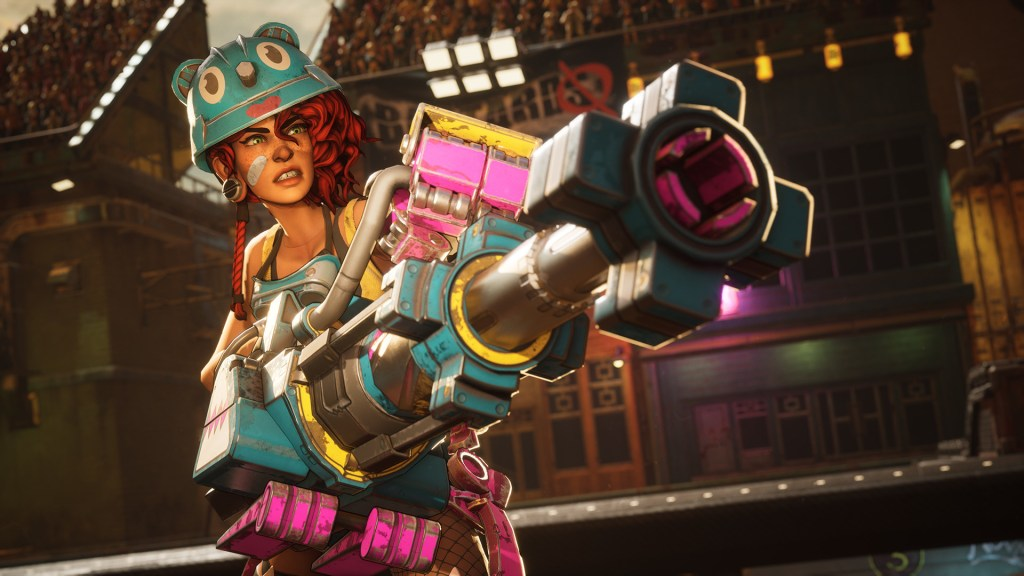
- Muse was trained on the multiplayer game Bleeding Edge, showcasing Microsoft’s commitment to using AI in gaming.
- Capcom is also exploring generative AI to streamline the game development process, emphasizing efficiency and creativity.
- Concerns exist regarding the potential replacement of human creativity in game ideation, with developers wary of AI’s impact.
- Xbox aims to address the lengthy game development timelines, with projects like Fable facing significant delays.
Why This Matters
The introduction of Muse could signify a shift in how games are developed, balancing the need for efficiency with the importance of human creativity. As Xbox navigates the tension between shareholder expectations and developer concerns, the success of Muse will depend on its ability to integrate AI without alienating the creative community. The future of gaming may hinge on finding this balance, making the conversation around generative AI crucial for the industry.





