Exploring the Intersection of Art and Technology
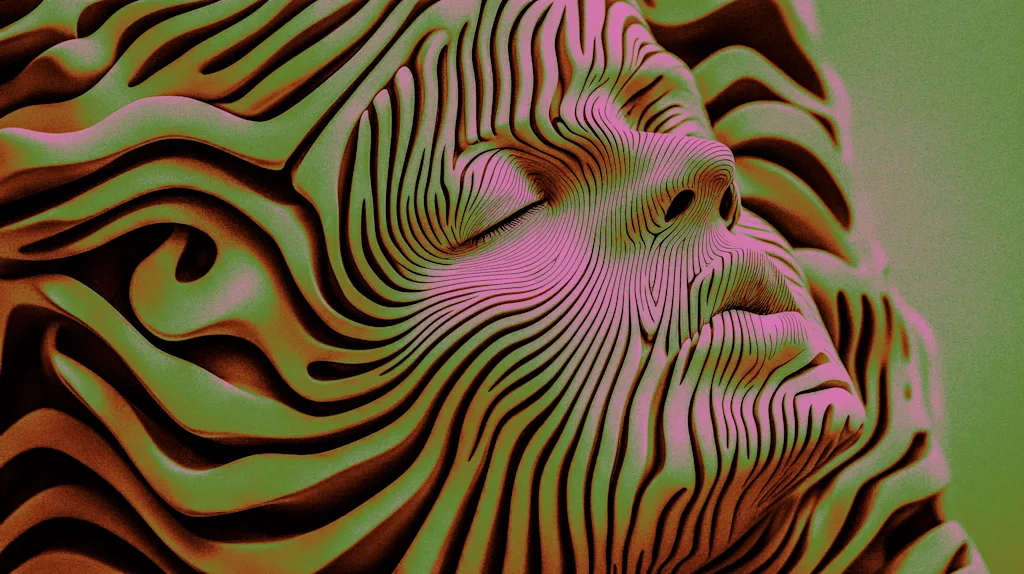
Generative AI tools like DALL-E and Midjourney are transforming the way art is created. They allow users to generate photorealistic images almost instantly. This raises questions about the nature of art itself, especially when considering the recent sale of an AI-generated image by Costa Rican artist Matias Sauter Morera to the Getty Museum. His work, inspired by 1970s Costa Rican cowboys, showcases a blend of traditional photography skills and advanced AI techniques. Unlike simple prompts, Sauter Morera’s process involves multiple AI models and extensive post-production work, highlighting a deeper artistic intention.
Key Insights on AI and Photography
- Sauter Morera’s work reflects emotional depth, connecting with the essence of photorealism from the past.
- The distinction between AI-generated images and traditional photographs is crucial, as the former lacks a moment in time captured through a lens.
- AI tools can manipulate images, leading to potential misinformation and blurring the line between reality and art.
- The rise of AI-generated images raises ethical concerns about authenticity and the impact on public perception.
Significance of the Discussion
Understanding the difference between AI-generated images and actual photographs is essential in today’s digital landscape. As technology evolves, the risk of misinformation increases, especially when images can be easily manipulated. This discussion is not just about art; it touches on the broader implications for society, where the truth might be obscured by visually appealing but misleading content. The challenge lies in maintaining a critical perspective on what we see and ensuring that the integrity of photography as a documentary medium is preserved.