Understanding Helix
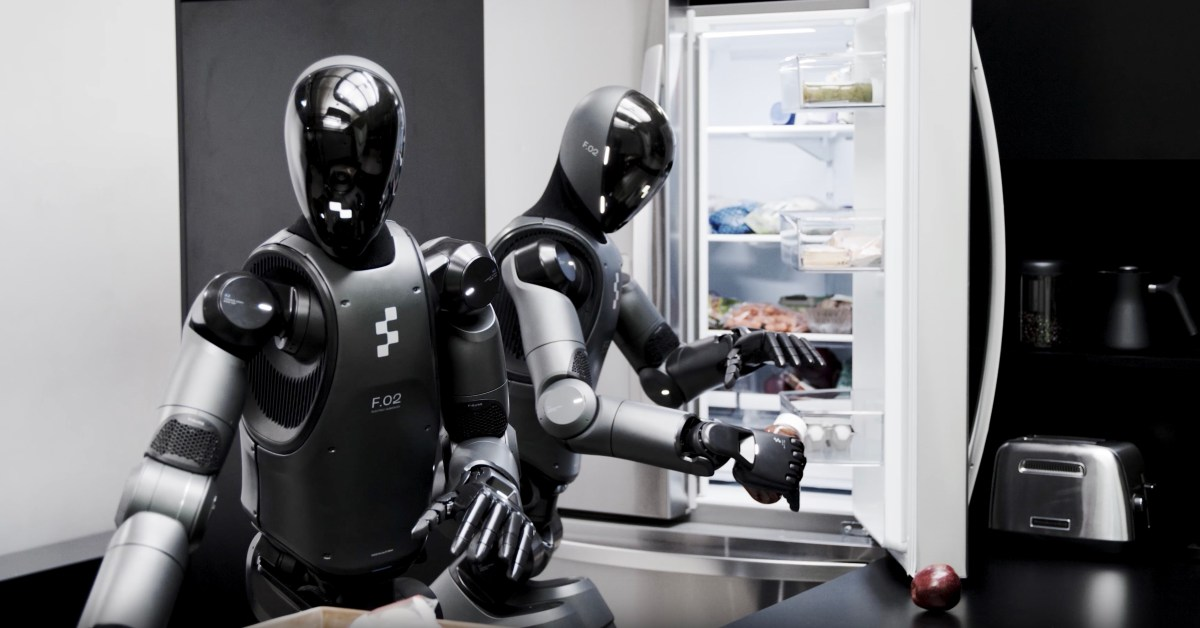
Figure, a Bay Area robotics company, has introduced Helix, a new machine learning model aimed at enhancing humanoid robots. This model combines visual data and language prompts, enabling robots to understand and execute tasks in real time. Helix represents a significant advancement in robotics, particularly in the home environment, where tasks can be complex due to varying layouts and objects.
Key Features of Helix
- Helix is a Vision-Language-Action (VLA) model, similar to Google DeepMind’s RT-2.
- It allows robots to recognize and manipulate thousands of novel household items using natural language commands.
- The model is designed to control multiple robots simultaneously, facilitating collaboration for household tasks.
- Figure emphasizes the importance of teaching robots to adapt to unpredictable home environments, which differ greatly from industrial settings.
Significance of the Development
This innovation is crucial as it addresses the challenges of integrating robots into everyday life. Traditional methods of programming robots for home use are inefficient and time-consuming. Helix aims to simplify this process by allowing robots to learn on the fly, adapting to new tasks and environments without extensive prior training. As the demand for home robotics grows, Helix could pave the way for smarter, more versatile robots that enhance daily living, making them more accessible and practical for consumers.