
Understanding the Challenge
Recent bridge collapses highlight a critical issue in infrastructure management. The collapse of a tram bridge in Dresden in September 2024 serves as a stark reminder of the aging structures that many countries face. Unlike the tragic motorway bridge failure in Genoa in 2018, which resulted in 43 fatalities, the Dresden incident thankfully did not cause any casualties. However, both events stem from similar problems: aging infrastructure that was not adequately inspected or maintained. Sophia Kuhn, a doctoral researcher, emphasizes that many structures, particularly in Switzerland, are nearing the end of their intended lifespan and require urgent attention.
Key Innovations in Bridge Assessment
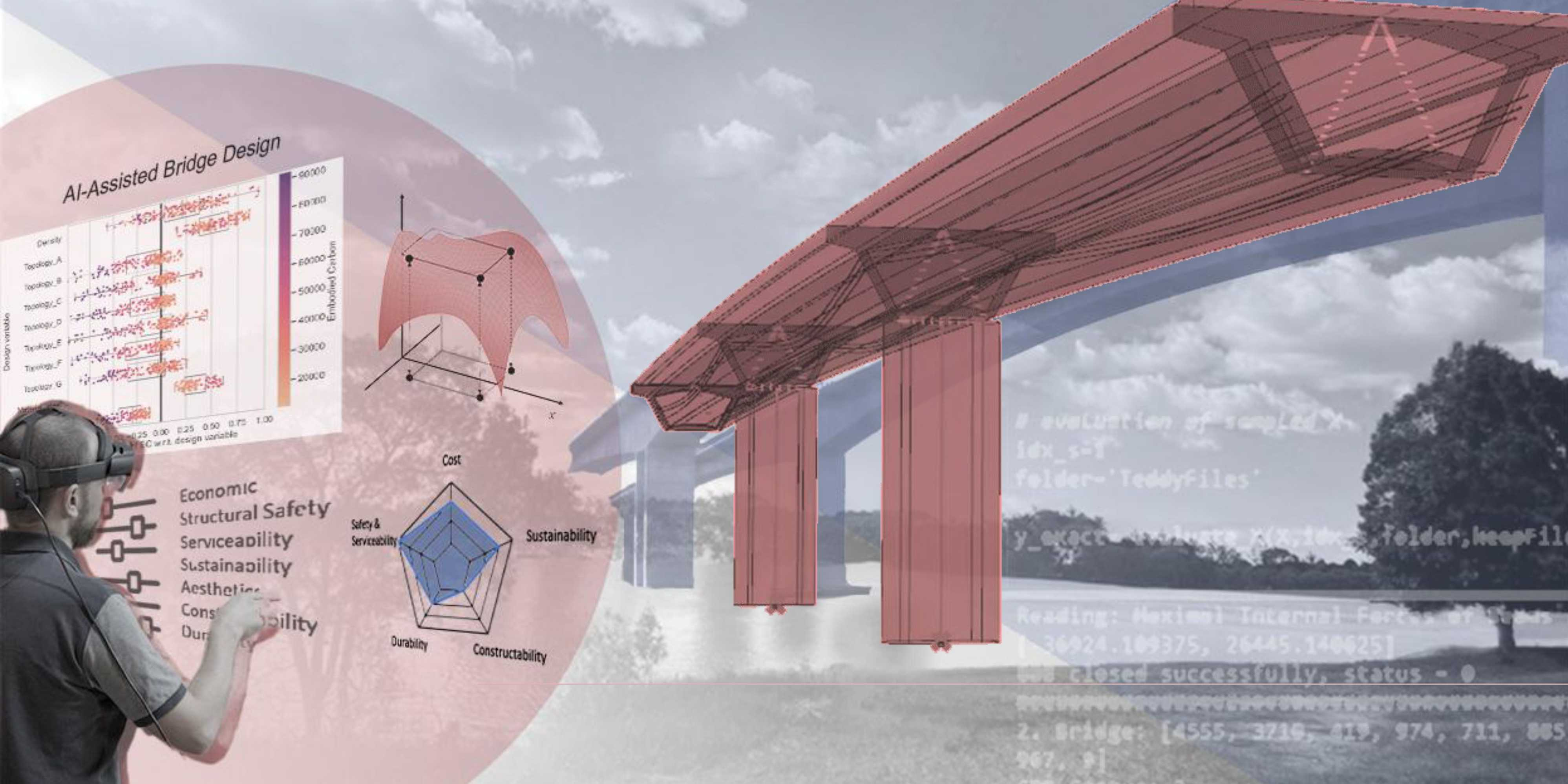
- Sophia Kuhn is developing an AI tool aimed at prolonging the life of bridges while minimizing risks.
- The tool assesses the structural safety of rigid frame bridges, commonly used in Switzerland.
- It provides a quick evaluation of whether a bridge is statically critical, helping prioritize inspections.
- The AI model also quantifies the uncertainty of its predictions, guiding engineers on whether to conduct further analyses.
The Importance of Proactive Infrastructure Management
The integration of AI in bridge safety assessments could significantly change how infrastructure is managed. By enabling quicker and more reliable evaluations, this technology not only conserves resources but also enhances public safety. As many structures age, adopting such innovative solutions becomes essential to prevent future disasters. This proactive approach can save lives, reduce costs, and ensure that critical infrastructure remains functional for years to come.





