
Exploring AI in Creative Design
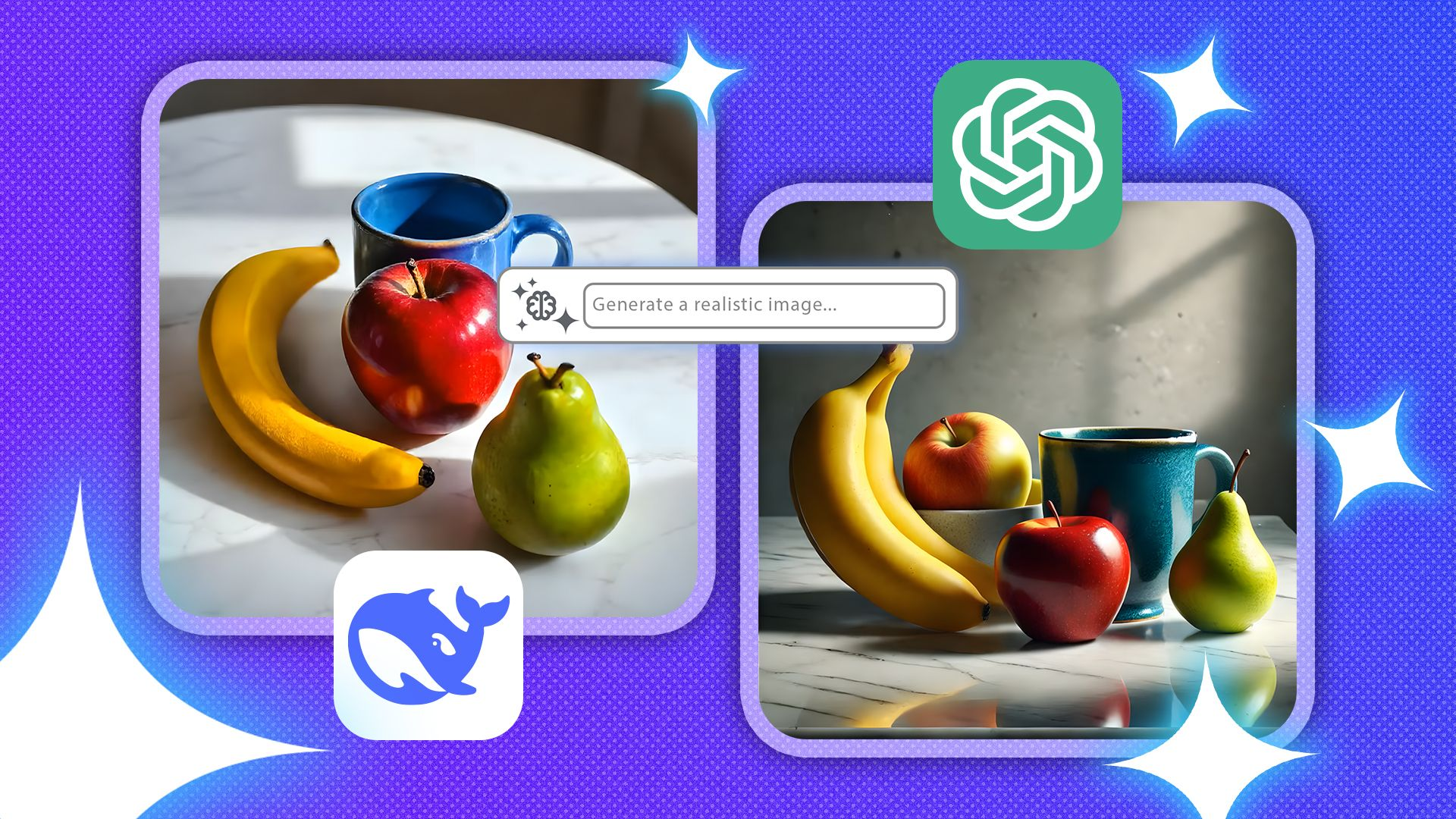
The rise of generative AI is transforming how we create digital art. This comparison focuses on two advanced models: DALL·E 3 from OpenAI and Janus-Pro-7B from DeepSeek. Both tools generate images from text prompts, but they differ significantly in realism and adherence to user instructions. DALL·E 3 integrates language processing for detailed images, while Janus-Pro-7B uses a dual-encoder system to separate understanding from generation, resulting in more accurate outputs.
Key Insights
- DALL·E 3 excels in creative flexibility but often prioritizes artistic interpretation over realism.
- Janus-Pro-7B generates images that closely match user prompts, showing higher fidelity to details.
- In tests, Janus-Pro-7B produced more realistic images, particularly in color accuracy and spatial positioning.
- Both models scored similarly for complex prompts, but Janus-Pro-7B maintained a better balance of realism and detail.
The Bigger Picture
The choice between DALL·E 3 and Janus-Pro-7B ultimately hinges on the user’s needs. For those seeking vibrant, artistic outputs, DALL·E 3 is preferable. However, artists and designers who prioritize realism and precise adherence to prompts will find Janus-Pro-7B more suitable. This comparison highlights the ongoing evolution in AI art generation, emphasizing the importance of understanding the strengths and limitations of each model.





