
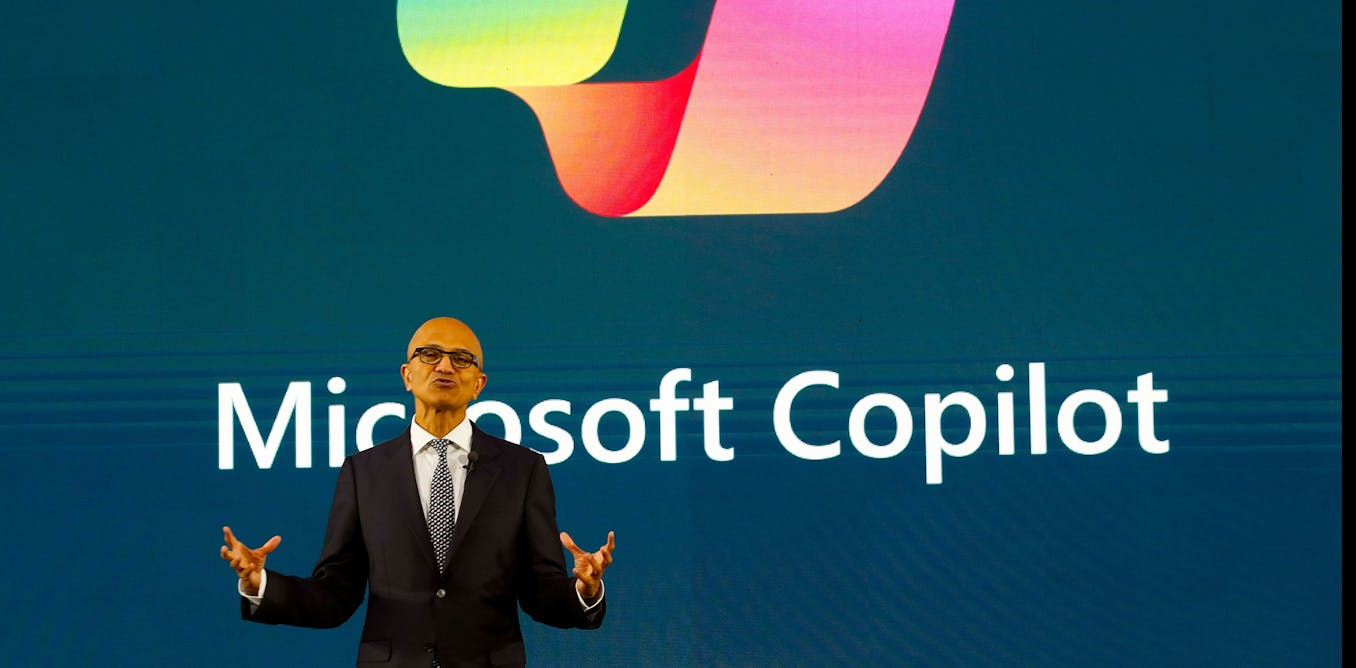
Understanding the Shift in AI Economics
Tech giants like Microsoft and Google are adjusting their strategies regarding generative AI. After investing heavily in AI, both companies are raising prices and introducing ads to recoup costs. Microsoft has even canceled data center leases while increasing subscription fees for its software. Despite the buzz around AI, these moves suggest a struggle to monetize the technology effectively.
Key Points to Note
- Microsoft has raised prices for its 365 software by up to 45% and introduced ad-supported versions.
- Generative AI is costly to run, with OpenAI spending significantly more than it earns.
- The shift towards edge computing means users may bear the costs of running AI on their devices.
- New entrants like DeepSeek are demonstrating that AI can be developed at a lower cost, challenging the traditional giants.
The Bigger Picture
The current strategy of shifting costs to consumers raises concerns about accessibility. While edge computing can reduce the carbon footprint and improve user privacy, it also places financial burdens on individuals and small businesses. This could exacerbate inequalities in access to AI technology, particularly in education and other sectors. As AI infrastructure costs continue to rise, the challenge remains for companies to find sustainable and fair business models that benefit everyone involved.





