Understanding the Case
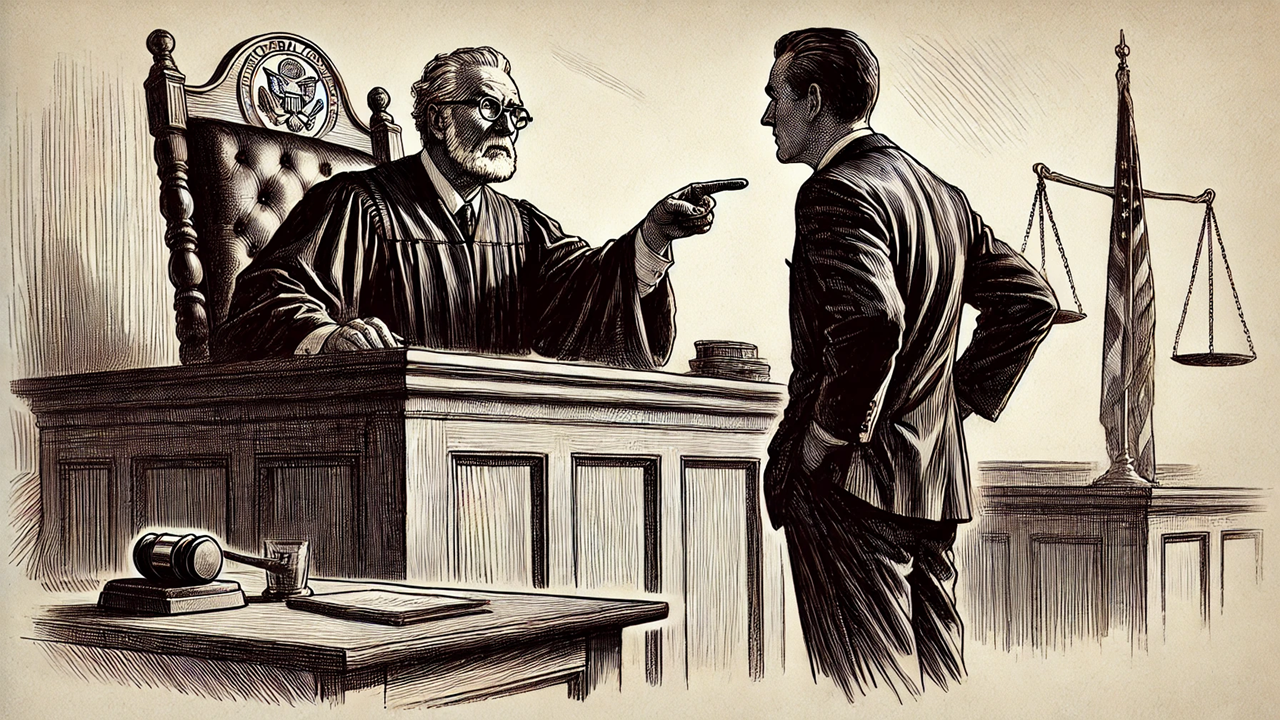
A federal judge recently addressed the use of generative AI in legal briefs, particularly focusing on an attorney’s errors due to AI-generated citations. Thad M. Guyer, a seasoned lawyer, submitted a brief with incorrect case citations and misquoted material. Although he admitted to the mistakes, the judge deemed them as honest errors rather than deliberate misconduct. This case highlights the challenges and responsibilities that come with using AI in legal research.
Key Details
- Judge Thomas T. Cullen presided over the case, Iovino v. Michael Stapleton Associates.
- Guyer acknowledged the inaccuracies in his brief, which included fictitious cases and incorrect citations.
- The judge appreciated Guyer’s accountability and his efforts to correct the errors, noting that he took full responsibility.
- Moving forward, Guyer and his organization, GAP, committed to implementing safeguards, such as using reliable databases and assigning junior attorneys to verify AI-generated content.
Why This Matters
This case is significant as it reflects the growing integration of AI in the legal field. Judges are beginning to accept AI as a standard tool, but with that comes the necessity for lawyers to ensure accuracy in their submissions. The ruling emphasizes the need for accountability and diligence in using technology, ensuring that legal professionals maintain the integrity of their work. The outcome may influence how courts handle similar situations in the future and set a precedent for the responsible use of AI in legal practices.